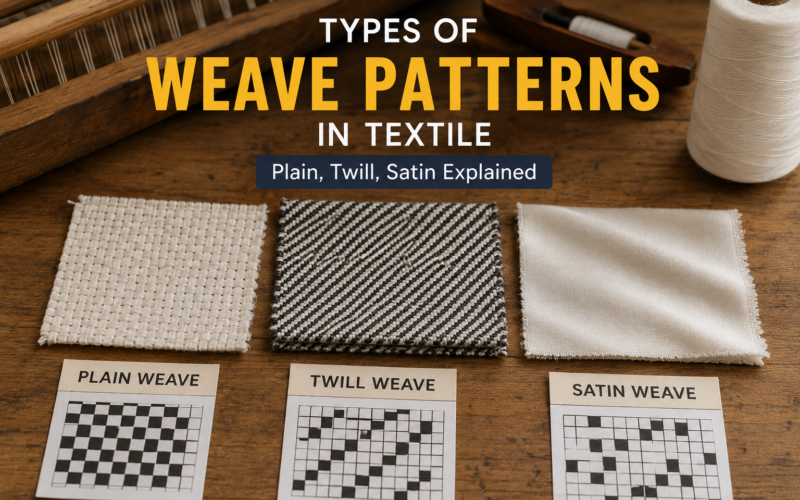
Types of Weave Patterns in Textile: Plain, Twill, Satin and Everything In Between
By Kavitha Sundaram, Textile Technology Writer June 26, 2026 15 min read Category: Fabric Knowledge What this covers: All three fundamental weave…
Your blog category
By Kavitha Sundaram, Textile Technology Writer June 26, 2026 15 min read Category: Fabric Knowledge What this covers: All three fundamental weave…
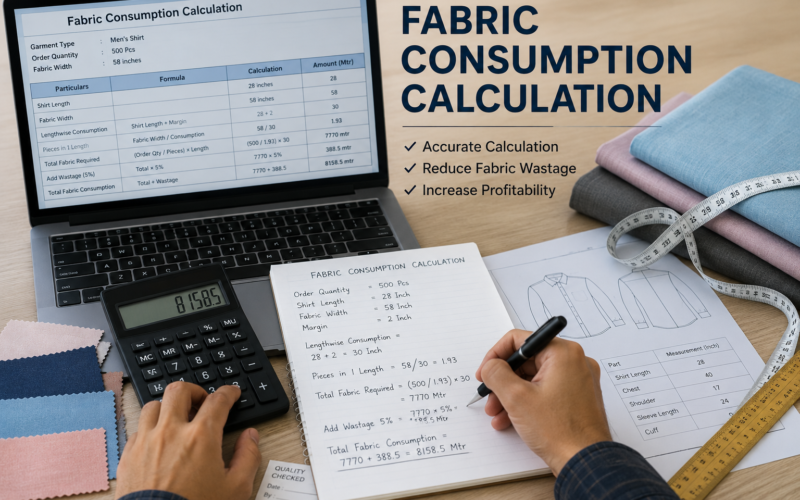
By Suresh Pillai, Garment Costing & Merchandising Specialist June 26, 2026 14 min read Category: Textile Manufacturing What you’ll get from this…
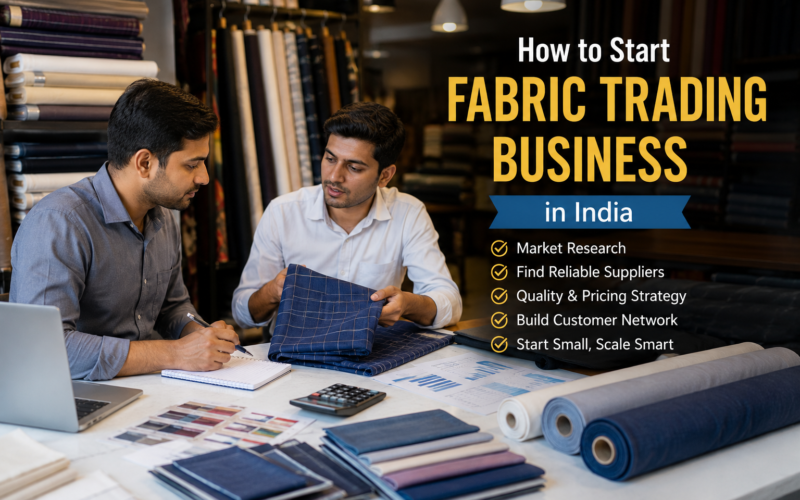
By Vikram Desai, Textile Business Consultant June 26, 2026 15 min read Category: Textile Business What this guide covers: Everything you need…
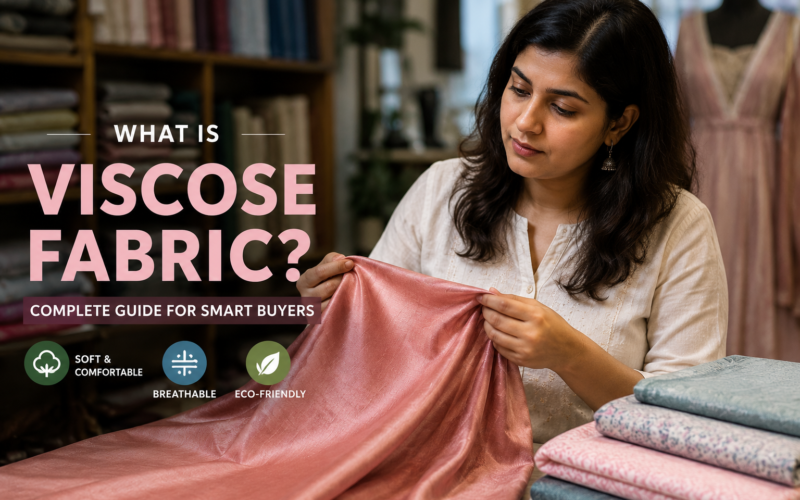
By Ananya Krishnaswamy, Fabric & Fashion Writer June 26, 2026 13 min read Category: Fabric Knowledge In short: Viscose is a semi-synthetic…
By Priya Nambiar, Tax & Compliance Writer June 26, 2026 14 min read Category: Textile Business & Compliance Quick Summary: GST on…
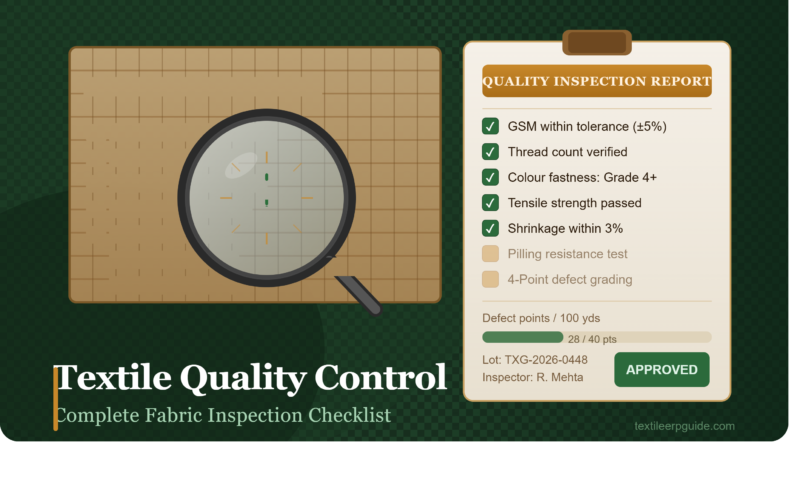
By Rajan Mehta June 26, 2026 12 min read Category: Textile Manufacturing Quick Summary: This guide gives you a practical, step-by-step quality…
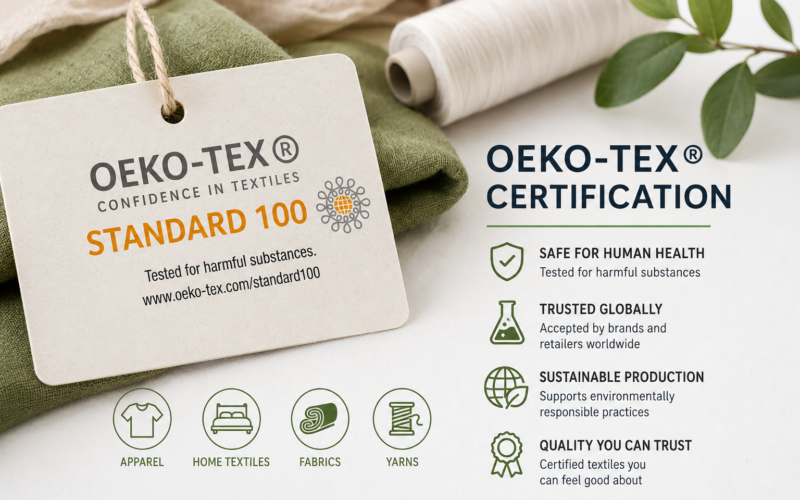
The global textile industry has changed significantly over the past decade. Today, buyers are not only interested in attractive fabrics and competitive…
Navigating the path toward sustainable manufacturing in India requires a clear roadmap. Many businesses now seek to validate their eco-friendly practices to meet rising international demands. Our Global Recycled Standard resource offers the essential steps to help your company succeed in this competitive landscape. GRS Certification Guide Understanding the specific requirements and the overall assessment journey is vital for any exporter. By mastering these protocols, you can effectively market your recycled textiles to global buyers who prioritize transparency. This manual serves as your primary tool to ensure your operations align with rigorous environmental and social benchmarks. Whether you produce finished items or specialized fabric, obtaining this status proves your commitment to a circular economy. We will walk you through the necessary phases to ensure your facility meets every standard with confidence. Key Takeaways Learn the essential steps to validate sustainable manufacturing practices in India. Understand the core requirements needed to pass international audits successfully. Discover how to effectively market your recycled goods to global buyers. Gain clarity on the financial and operational investments required for compliance. Ensure your facility meets the high standards expected by modern supply chains. Understanding the Global Recycled Standard (GRS) Modern textile manufacturing in India is rapidly shifting toward circularity, anchored by the Global Recycled Standard. As brands and consumers demand more transparency, this framework provides the necessary tools to verify sustainable claims across the entire supply chain. GRS certification and sustainable textile recycling What is GRS Certification? What is GRS certification? It is a comprehensive, voluntary product standard that tracks and verifies the content of recycled materials in a final product. This GRS certification goes beyond just the material itself by including strict social, environmental, and chemical requirements.…
Entering the world of sustainable manufacturing can be daunting for many. If you want to boost your brand, this GOTS Certification Guide offers a clear path. Getting this certification shows your dedication to the environment and meets global standards. Many wonder how to get gots certification without affecting their work. This guide is for everyone, from small workshops to big exporters. It makes complex rules easy to follow for all. GOTS Certification Guide If you’re in India, knowing how to get gots certification in india is key. By following these steps, you can make your way to compliance easier. We’re here to guide you through gots certification in india with confidence. Key Takeaways Understand the fundamental requirements for organic textile compliance. Learn the step-by-step process to achieve international recognition. Discover how to simplify complex regulatory hurdles for your business. Gain a competitive edge in the growing Indian sustainable market. Ensure your production methods meet global environmental standards. Understanding the Global Organic Textile Standard (GOTS) The Global Organic Textile Standard is the top standard for making sustainable fabrics worldwide. It gives a clear guide for companies to show they care about the planet and people. By following these strict rules, businesses can make sure their products are the best globally. global organic textile standard What is GOTS Certification? What is GOTS certification? It’s a detailed standard for organic fiber textiles. It covers the whole process, from getting raw materials to labeling. This ensures everything is done right for the environment and society. When a company gets gots certified, it tells customers the product is truly organic. This is key to stand out in a busy market. It shows their products are different from non-organic ones. The Importance of Sustainable Textile Certification…
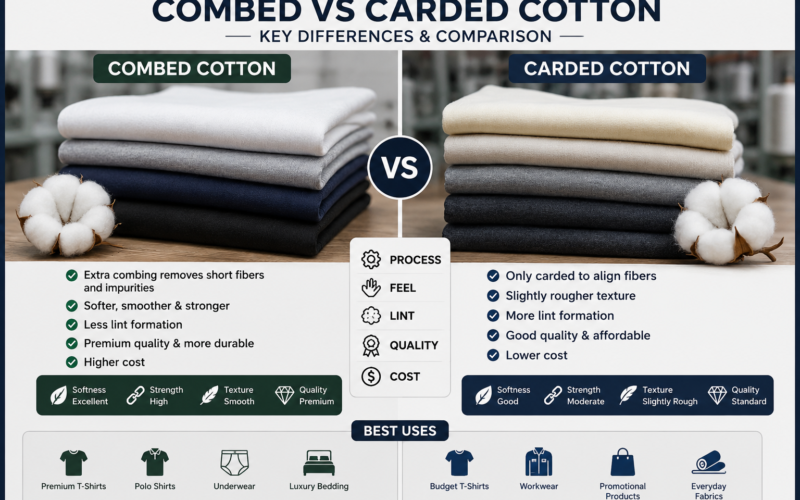
Ever wondered why some shirts feel super soft while others are a bit rough? The answer is in the cotton yarn manufacturing process. We often don’t think about how raw fibers turn into our daily clothes. Knowing what is combed cotton and what is carded cotton helps you make better choices. By comparing cotton fabric quality, we see how these methods affect the feel and durability of our clothes. Combed vs Carded Cotton Ring spun combed cotton gives a smooth, premium cotton fabric feel. On the other hand, carded cotton uses are in heavier, more casual items. Knowing the difference is key, whether you want luxury or practicality. Let’s dive into how these techniques shape your wardrobe. Key Takeaways Combed fibers get extra processing to remove short strands and impurities. Carded materials are usually more affordable and have a thicker, rustic texture. Premium garments often use refined spinning techniques for better softness. Choosing the right material depends on your comfort and durability needs. Understanding textile production helps you find better value when shopping. Understanding the Basics of Cotton Fiber Every high-quality shirt starts as a simple, raw cotton fiber from the field. Before diving into textile manufacturing, we must first understand the raw material. These natural fibers are the base for everything from heavy denim to lightweight summer tees. Cotton fibers differ in length, strength, and fineness, affecting yarn quality. Longer fibers make smoother, stronger threads. The harvest process separates lint from seeds, preparing it for spinning. Understanding the Basics of Cotton Fiber…