Introduction
The textile industry stands at a critical turning point.
For decades, the world has enjoyed affordable clothing, fast fashion, and mass-produced textiles. While this has made fashion accessible to millions, it has also created one of the biggest environmental challenges of our time. Every year, billions of plastic bottles end up in landfills and oceans, while discarded garments contribute significantly to global waste.
As environmental concerns continue to grow, manufacturers, brands, and consumers are searching for solutions that balance performance, affordability, and sustainability.
One innovation is emerging as a game-changer: Recycled Polyester Fiber.
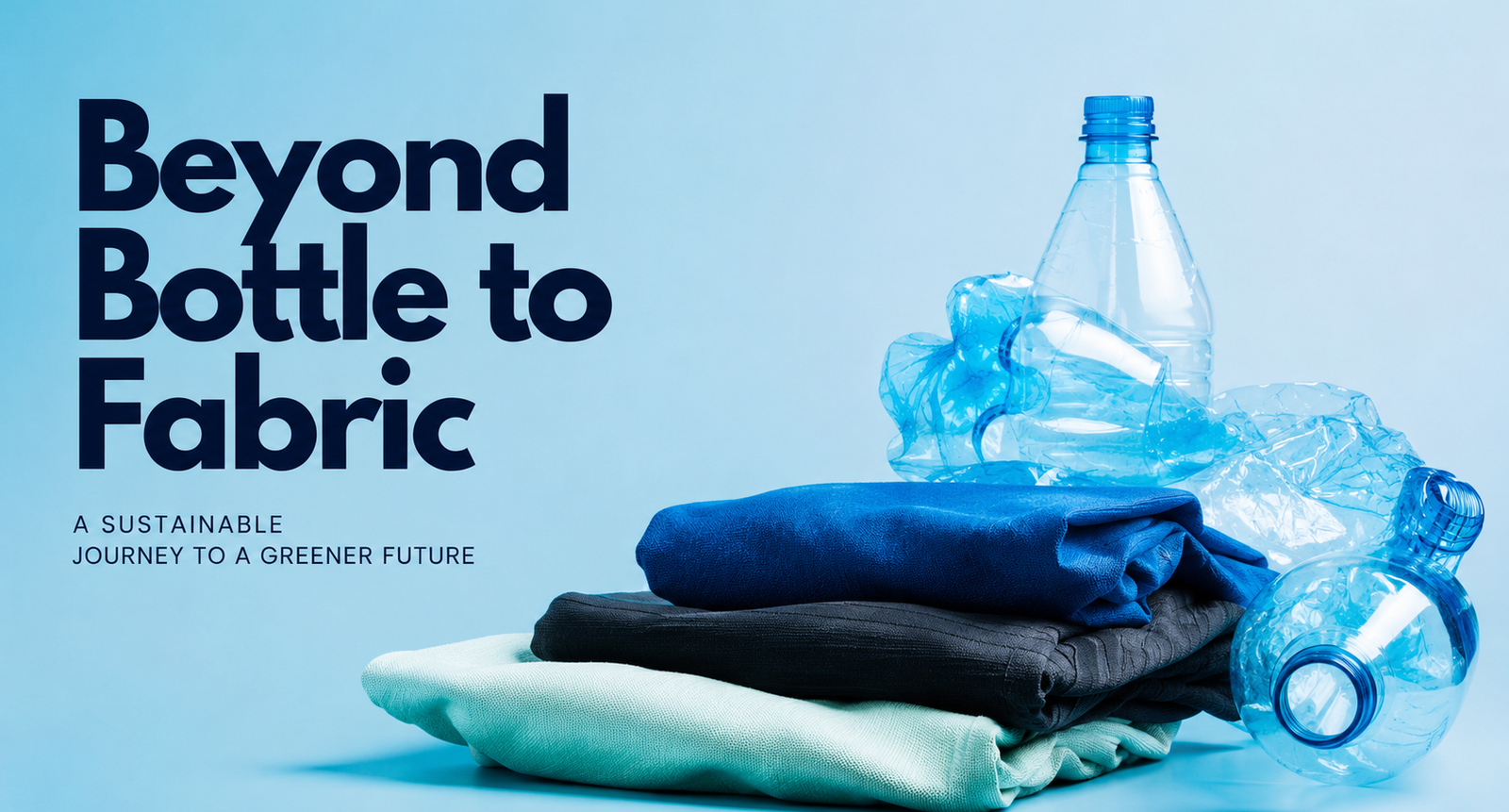
Made primarily from discarded PET plastic bottles and post-industrial polyester waste, recycled polyester fiber is helping manufacturers reduce environmental impact without sacrificing quality. From sportswear and fashion apparel to home furnishings and automotive textiles, this sustainable material is rapidly becoming the preferred choice for environmentally conscious brands.
Today, major global fashion companies are investing heavily in recycled materials as part of their sustainability goals. Governments are introducing stricter environmental regulations, and consumers increasingly prefer brands that demonstrate genuine environmental responsibility.
In this changing landscape, recycled polyester fiber has evolved from an alternative material into a strategic business necessity.
This article explores how recycled polyester fiber is transforming textile manufacturing, why demand is rising worldwide, its production process, environmental benefits, commercial advantages, and what the future holds for sustainable textile innovation.
What Is Recycled Polyester Fiber?
Featured Snippet Answer
Recycled polyester fiber is a sustainable synthetic textile fiber manufactured from recycled PET plastic bottles, polyester garments, and industrial polyester waste. It offers similar strength, durability, and performance as virgin polyester while significantly reducing plastic waste, energy consumption, and carbon emissions.
Unlike traditional polyester, which is derived from petroleum-based raw materials, recycled polyester utilizes existing plastic resources already circulating within the economy.
This approach supports a circular economy where materials are reused rather than discarded.
Why It Matters
Traditional polyester remains one of the most widely used textile fibers worldwide because of its durability, wrinkle resistance, and affordability.
However, virgin polyester production requires substantial fossil fuel consumption.
Recycled polyester offers a practical solution by reducing dependency on new petroleum resources while helping divert plastic waste from landfills and oceans.
The Growing Environmental Challenge
Before understanding the importance of recycled polyester fiber, it’s necessary to understand the scale of the problem it addresses.
Plastic Waste Crisis
According to environmental studies, millions of plastic bottles are discarded daily across the globe.
Many of these bottles:
- End up in landfills
- Pollute rivers and oceans
- Take hundreds of years to decompose
- Harm marine ecosystems
Plastic pollution has become one of the most visible environmental issues worldwide.
Fast Fashion’s Impact
The fashion industry compounds the problem.
Fast fashion encourages consumers to buy more clothing at lower prices, often leading to short product lifecycles.
Consequences include:
- Increased textile waste
- Higher carbon emissions
- Excessive water consumption
- Growing landfill accumulation
The textile sector is estimated to contribute significantly to global greenhouse gas emissions.
As a result, sustainable alternatives are no longer optional. They are becoming essential.
Why Sustainable Manufacturers Are Choosing Recycled Polyester Fiber
Manufacturers are under growing pressure from consumers, investors, and regulators to reduce their environmental footprint.
Recycled polyester fiber helps achieve this goal.
Environmental Benefits
The production of recycled polyester generally requires fewer natural resources compared to virgin polyester.
Benefits include:
- Reduced plastic waste
- Lower energy consumption
- Reduced greenhouse gas emissions
- Less reliance on fossil fuels
- Support for circular manufacturing systems
Business Benefits
Sustainability is no longer simply a corporate responsibility initiative.
It has become a competitive advantage.
Brands using recycled polyester often experience:
- Improved customer trust
- Enhanced brand reputation
- Better compliance with sustainability standards
- Increased appeal among younger consumers
Many consumers actively look for environmentally responsible products before making purchasing decisions.
How Recycled Polyester Fiber Is Made
One reason recycled polyester fiber has gained widespread acceptance is the efficiency of its production process.
Step 1: Collection of PET Waste
The process begins with collecting used PET plastic bottles and polyester waste materials.
Sources include:
- Beverage bottles
- Food containers
- Industrial plastic waste
- Post-consumer polyester garments
These materials serve as the raw input for fiber production.
Step 2: Sorting and Cleaning
Collected plastics undergo thorough sorting and cleaning.
This stage removes:
- Labels
- Caps
- Adhesives
- Dirt
- Contaminants
Proper cleaning ensures the final fiber meets quality standards.
Step 3: Shredding into Flakes
The cleaned plastic is then shredded into small flakes.
These flakes become the foundation for producing new polyester material.
Step 4: Melting and Extrusion
The plastic flakes are melted at controlled temperatures.
The molten material is pushed through specialized spinnerets that create continuous polyester filaments.
Step 5: Fiber Formation
The filaments are cooled, stretched, and processed into fibers.
These fibers can then be spun into yarn suitable for various textile applications.
The result is a high-performance fiber that closely resembles virgin polyester in appearance and functionality.
Recycled Polyester vs Virgin Polyester
Many manufacturers ask an important question:
“Can recycled polyester perform as well as virgin polyester?”
The answer is yes in most applications.
Performance Comparison
Strength
Recycled polyester offers excellent tensile strength suitable for garments, upholstery, and industrial textiles.
Durability
It maintains strong resistance to wear and tear.
Moisture Management
Sportswear manufacturers frequently use recycled polyester because of its moisture-wicking capabilities.
Color Retention
The fiber retains dyes effectively and provides vibrant color performance.
Cost Efficiency
As recycling technologies improve, recycled polyester is becoming increasingly cost-competitive.
For many applications, consumers cannot distinguish between recycled and virgin polyester products.
Applications of Recycled Polyester Fiber
The versatility of recycled polyester fiber is one reason for its rapid adoption.
Fashion and Apparel
The fashion industry represents one of the largest users.
Applications include:
- T-shirts
- Jackets
- Activewear
- Sportswear
- Dresses
- Casual clothing
Many leading fashion brands now incorporate recycled polyester into their collections.
Home Textiles
Home furnishing manufacturers use recycled polyester in:
- Curtains
- Upholstery
- Cushions
- Carpets
- Bedding products
Automotive Industry
Automotive manufacturers increasingly use recycled fibers in:
- Car seats
- Interior fabrics
- Insulation materials
Technical Textiles
Technical textile applications include:
- Industrial fabrics
- Protective clothing
- Filtration materials
- Geotextiles
This broad application range ensures continued demand growth.
The Rise of Circular Fashion
One of the most important concepts driving recycled polyester adoption is circular fashion.
Traditional manufacturing follows a linear model:
Take → Make → Dispose
Circular fashion changes this approach.
Instead of discarding materials after use, products are designed to remain within the production cycle through recycling and reuse.
Recycled polyester plays a central role in this system.
Benefits include:
- Reduced waste generation
- Lower environmental impact
- Resource conservation
- Extended material lifespan
For brands pursuing sustainability goals, circular fashion provides both environmental and commercial value.
Consumer Demand Is Driving Change
Consumer behavior is changing rapidly.
Modern shoppers are increasingly interested in:
- Sustainable fashion
- Ethical manufacturing
- Eco-friendly materials
- Carbon reduction initiatives
Research consistently shows that younger generations prefer brands aligned with environmental values.
This shift is encouraging manufacturers to accelerate adoption of recycled materials.
In many cases, sustainability has become a deciding factor during purchasing decisions.
For brands seeking long-term growth, ignoring this trend is becoming increasingly difficult.
The Role of Certifications
Certifications help manufacturers prove sustainability claims.
Common certifications include:
Global Recycled Standard (GRS)
Verifies recycled content and responsible production practices.
OEKO-TEX Standard
Ensures textile safety and chemical compliance.
Recycled Claim Standard (RCS)
Confirms the presence of recycled materials within products.
These certifications increase buyer confidence and support international market access.
They also help prevent greenwashing by providing independent verification.
Environmental Impact of Recycled Polyester Fiber
The biggest reason recycled polyester fiber is gaining attention worldwide is its positive environmental impact.
While no synthetic fiber is completely free from environmental concerns, recycled polyester significantly reduces the burden compared to virgin polyester production.
Reduction in Plastic Waste
Every recycled polyester garment starts with waste that would otherwise become pollution.
Plastic bottles are among the most common forms of waste found in:
- Landfills
- Rivers
- Oceans
- Public spaces
By converting PET bottles into textile fibers, manufacturers help divert waste from the environment and transform it into valuable products.
For example, a recycled polyester jacket may contain dozens of recycled plastic bottles that would otherwise remain in the waste stream for hundreds of years.
Lower Energy Consumption
Virgin polyester manufacturing requires extracting petroleum, refining it, and converting it into polymer chips before fiber production begins.
Recycled polyester eliminates several of these resource-intensive steps.
As a result:
- Less energy is consumed
- Fewer raw materials are required
- Production becomes more resource-efficient
This makes recycled polyester an attractive option for manufacturers seeking sustainable production methods.
Reduced Carbon Emissions
Carbon emissions are becoming an increasingly important concern for the textile industry.
Many global brands have committed to reducing their carbon footprint over the next decade.
Recycled polyester helps support these goals by lowering emissions associated with raw material extraction and processing.
The result is a textile material that contributes to lower greenhouse gas emissions throughout the supply chain.
Economic Benefits for Textile Manufacturers
Sustainability and profitability are often viewed as competing priorities.
However, recycled polyester demonstrates that environmental responsibility and business success can work together.
Reduced Raw Material Dependence
Global petroleum prices can fluctuate significantly.
Since virgin polyester depends heavily on fossil fuels, manufacturers remain vulnerable to price volatility.
Recycled polyester introduces an alternative supply stream based on existing materials.
This diversification can improve supply chain resilience.
Stronger Market Position
Today’s buyers increasingly evaluate suppliers based on sustainability performance.
Manufacturers offering recycled polyester products often gain access to:
- Premium markets
- Sustainability-focused brands
- International sourcing programs
- Green procurement initiatives
This creates additional growth opportunities.
Increased Customer Loyalty
Consumers are becoming more environmentally conscious.
When brands clearly communicate their sustainability efforts, they often build stronger customer relationships.
Customers appreciate transparency and are more likely to support businesses aligned with their values.
Recycled Polyester in Sportswear and Performance Apparel
One of the most successful applications of recycled polyester is performance apparel.
Sportswear manufacturers require fabrics that offer:
- Durability
- Moisture management
- Lightweight comfort
- Stretch compatibility
- Long-term performance
Recycled polyester meets these requirements effectively.
Why Sports Brands Prefer Recycled Polyester
Athletic apparel companies increasingly integrate recycled polyester into:
- Running apparel
- Training gear
- Yoga wear
- Outdoor clothing
- Team uniforms
The material delivers excellent performance while supporting sustainability commitments.
Many leading sportswear brands now publicly announce recycled material targets as part of their environmental strategies.
This trend continues to drive demand across the textile supply chain.
Challenges Facing Recycled Polyester Adoption
Despite its advantages, recycled polyester is not without challenges.
Understanding these challenges helps create realistic expectations.
Collection Infrastructure
The quality and availability of recycled polyester depend heavily on effective waste collection systems.
Many regions still lack efficient recycling infrastructure.
This limits material availability and increases processing costs.
Quality Consistency
Maintaining consistent fiber quality requires:
- Proper sorting
- Advanced cleaning systems
- Modern recycling technologies
Manufacturers must invest in quality control to ensure reliable performance.
Consumer Education
Many consumers still do not fully understand the difference between recycled polyester and virgin polyester.
Education remains essential.
Brands must clearly explain:
- Environmental benefits
- Performance characteristics
- Sustainability impact
Greater awareness will continue driving adoption.
How Textile Manufacturers Can Successfully Implement Recycled Polyester
For textile companies considering recycled polyester, a strategic approach is important.
Start with Product Evaluation
Identify products where recycled polyester can replace virgin polyester without compromising performance.
Common starting points include:
- Sportswear
- Home textiles
- Uniforms
- Fashion apparel
Partner with Certified Suppliers
Supplier selection plays a critical role.
Look for suppliers offering:
- GRS certification
- OEKO-TEX compliance
- Traceability documentation
- Quality assurance programs
Communicate Sustainability Transparently
Consumers increasingly value honesty.
Avoid exaggerated claims and focus on measurable sustainability achievements.
Transparency builds long-term trust.
Invest in Innovation
Manufacturers that continuously improve recycling technologies and product development will remain competitive as market expectations evolve.
Real-World Success Story
Consider a mid-sized apparel manufacturer supplying garments to international fashion retailers.
Five years ago, the company relied almost entirely on virgin polyester.
However, increasing buyer requirements created pressure for sustainable alternatives.
The company gradually transitioned a portion of its production to recycled polyester.
Within three years, results included:
- Increased export opportunities
- Stronger relationships with global buyers
- Improved sustainability ratings
- Greater consumer trust
- Expanded product offerings
Most importantly, the transition helped position the company as a future-focused manufacturer.
This example reflects a broader industry trend occurring across textile manufacturing hubs worldwide.
Future Trends in Recycled Polyester Fiber
The future of recycled polyester looks extremely promising.
Several trends are accelerating adoption.
Advanced Recycling Technologies
Mechanical recycling currently dominates the industry.
However, chemical recycling technologies are advancing rapidly.
These innovations can:
- Improve fiber quality
- Increase recycling efficiency
- Expand feedstock options
- Enable multiple recycling cycles
Government Regulations
Governments worldwide are introducing policies aimed at reducing plastic waste and promoting circular economies.
These regulations encourage greater use of recycled materials.
Brand Sustainability Commitments
Many global fashion brands have announced ambitious sustainability goals.
These commitments include:
- Increased recycled material usage
- Reduced carbon emissions
- Improved supply chain transparency
As these targets become stricter, demand for recycled polyester will continue rising.
Circular Economy Growth
The concept of a circular economy is moving from theory to reality.
Businesses increasingly recognize that long-term success depends on efficient resource utilization.
Recycled polyester is a key component of this transformation.
Why Recycled Polyester Matters for the Future of Fashion
Fashion is undergoing a fundamental transformation.
The industry can no longer focus solely on aesthetics, price, and speed.
Environmental responsibility has become equally important.
Consumers now ask important questions:
- Where was this product made?
- What materials were used?
- How does it affect the environment?
- Is it ethically produced?
Recycled polyester helps answer these questions positively.
It demonstrates that innovation can reduce environmental impact while maintaining product quality.
The future of fashion will likely involve greater integration of:
- Recycled fibers
- Circular manufacturing systems
- Responsible sourcing practices
- Sustainable production technologies
Manufacturers adopting these principles today will be better positioned for tomorrow’s marketplace.
Frequently Asked Questions
What is recycled polyester fiber?
Recycled polyester fiber is a textile fiber produced from recycled PET bottles, polyester garments, and industrial polyester waste instead of virgin petroleum-based raw materials.
Is recycled polyester environmentally friendly?
Yes. Recycled polyester helps reduce plastic waste, lowers energy consumption, and decreases carbon emissions compared to virgin polyester production.
How strong is recycled polyester?
Recycled polyester offers durability, strength, and performance characteristics similar to virgin polyester in most textile applications.
Can recycled polyester be recycled again?
In many cases, recycled polyester can undergo additional recycling processes, supporting circular economy initiatives.
What industries use recycled polyester?
Industries using recycled polyester include fashion, sportswear, automotive, home textiles, technical textiles, and industrial manufacturing.
Does recycled polyester cost more?
Costs vary depending on market conditions and supply availability, but increasing demand and technological advancements are making recycled polyester increasingly competitive.
Why are fashion brands switching to recycled polyester?
Brands use recycled polyester to reduce environmental impact, meet sustainability targets, improve brand reputation, and satisfy consumer demand for eco-friendly products.
What certifications should buyers look for?
Important certifications include Global Recycled Standard (GRS), Recycled Claim Standard (RCS), and OEKO-TEX certification.
Conclusion
Recycled Polyester Fiber represents far more than a textile innovation. It symbolizes a major shift toward responsible manufacturing, resource conservation, and environmental stewardship.
As plastic pollution continues to challenge communities worldwide, the ability to transform waste into valuable textile products offers a practical and scalable solution.
From reducing landfill waste and lowering carbon emissions to supporting circular fashion and sustainable manufacturing, recycled polyester is helping reshape the future of the textile industry.
Manufacturers benefit from improved market opportunities, brands strengthen their sustainability credentials, and consumers gain access to environmentally responsible products without sacrificing performance or quality.
The momentum behind recycled polyester continues to grow. Advances in recycling technology, stronger environmental regulations, and rising consumer awareness will likely accelerate adoption even further.
For textile manufacturers, apparel brands, and sustainability-focused businesses, the message is clear: recycled polyester fiber is not simply a trend. It is becoming a cornerstone of the next generation of textile manufacturing.
Organizations that embrace this transformation today will be better positioned to compete, innovate, and thrive in a future increasingly defined by sustainability.
Leave a Reply