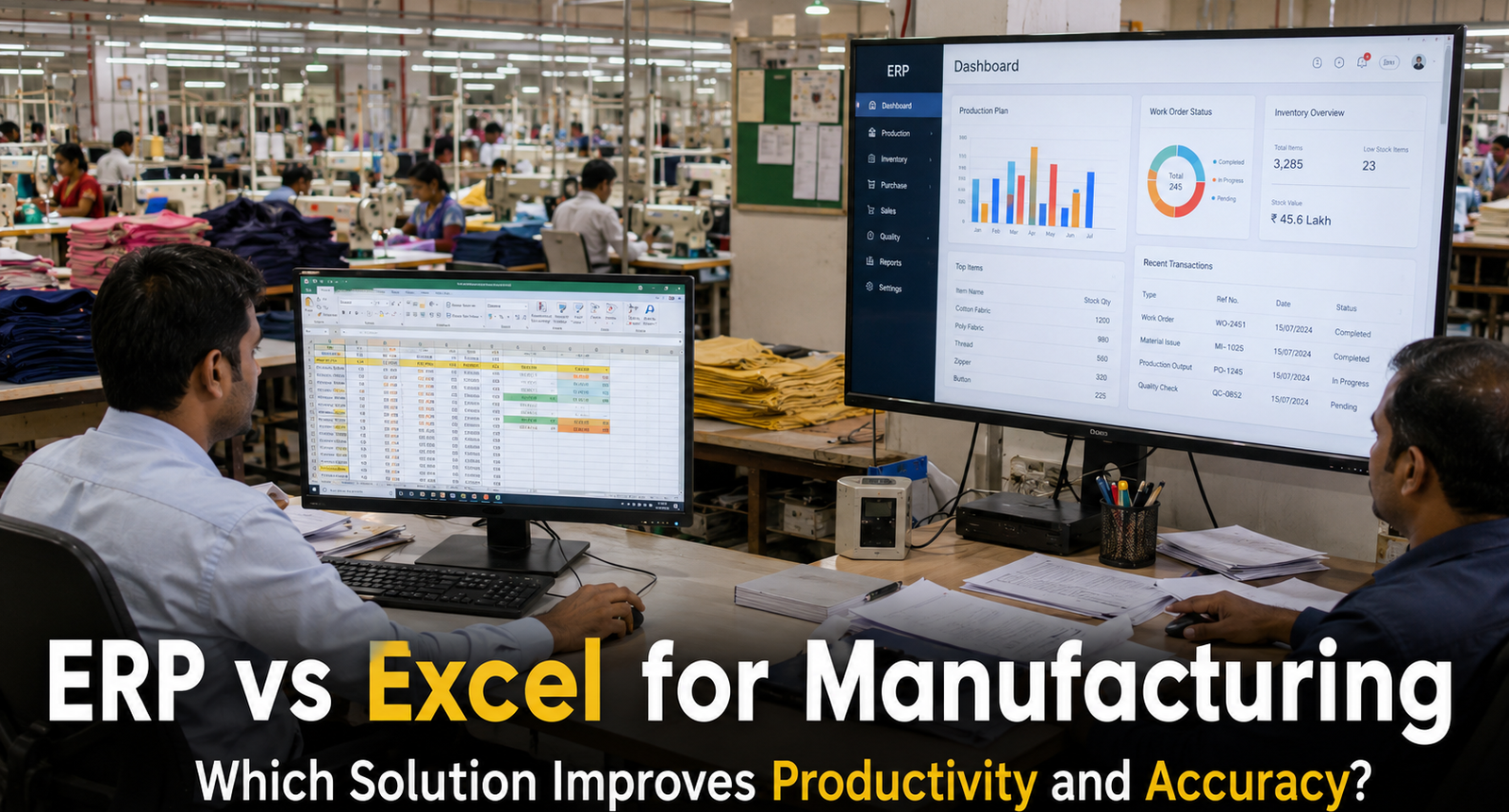
Starting with a spreadsheet feels natural. It’s easy to keep track of inventory or daily tasks at first. But, as our production grows, spreadsheets can’t keep up.
This problem makes us question our digital strategy. We must choose between sticking with what we know or moving to a dedicated system. Choosing the right path affects our daily work and future growth.

We aim to guide you in picking the best tool for your needs. Understanding the erp vs excel for manufacturing debate is key to a more efficient future for your team.
Key Takeaways
- Spreadsheets offer low entry costs but struggle with real-time data accuracy.
- Dedicated systems provide better scalability as production volume increases.
- Manual data entry in spreadsheets often leads to costly human errors.
- Integrated software improves communication across different departments.
- The best choice depends on your current business size and future goals.
The Reality of Spreadsheet-Based Production Management
Many of us start with spreadsheets because they’re easy to use. They’re free and don’t need special training. When we look at erp vs excel for production planning, spreadsheets seem better at first because they’re free and easy to get.
Why We Start with Excel
In the beginning, we just need to track materials and monitor output. Excel is great for this because it lets us create custom formulas and layouts. It fits our small-scale needs perfectly.
Starting small means we can spend our money on equipment, not expensive systems. This makes spreadsheets a popular choice for new businesses. But, as we grow, Excel’s limitations become clear when compared to erp vs excel for production planning.
The Hidden Costs of Manual Data Entry
As we get more complex, updating spreadsheets takes a lot of time. We often don’t realize how much time is lost to data entry. This not only slows us down but also increases the chance of errors.
Manual entry means we can’t see updates in real-time. This forces us to make decisions with old information, leading to inventory mistakes. The costs of keeping spreadsheets can add up, making erp vs excel for production planning a key choice for growing businesses.
Understanding ERP vs Excel for Manufacturing
First, we need to know the difference between simple spreadsheets and advanced management systems. Using familiar tools is okay, but knowing when to switch is key for success.
Defining the Scope of Manufacturing Management Software
Today’s manufacturing management software is a central hub for all business activities. It’s not like static files; it links inventory, sales, and production schedules in real-time. This ensures all departments work with the same data, reducing errors.
Using manufacturing ERP software gives us a complete view of our factory floor. This is impossible with manual tracking. It automates tasks, letting our team focus on growth, not data entry.
Edit
Delete
When Excel Still Serves a Purpose
Excel is still great for small tasks. It’s perfect for quick math, data charts, or simple lists that don’t need updates across departments. It’s a good start for startups or small shops because it’s easy to use.
But, the excel vs erp system debate shows Excel’s limits as we grow. Excel is flexible but can’t handle complex supply chains or production cycles. Maintaining these files becomes more trouble than they’re worth.
| Feature | Excel Spreadsheets | Integrated ERP |
| Data Centralization | Manual/Fragmented | Automated/Unified |
| Real-time Updates | None | Instant |
| Scalability | Low | High |
| Error Risk | High (Manual) | Low (Automated) |
The Shift Toward Integrated Production Planning Software
Switching to production planning software is a big step for growing businesses. It moves us from manual, broken processes to a more solid, responsive organization. This helps us avoid supply chain problems before they hurt our profits.
Choosing the right ERP software for manufacturers is more than just replacing a spreadsheet. It’s about building a strong base for our future goals and growing complexity. Embracing these digital tools helps us compete better in today’s fast market.
Why Manufacturers Should Switch from Excel to ERP
Switching from manual tracking to automated systems is a game-changer for manufacturing success. Spreadsheets were great at first, but they soon hold us back. Knowing why manufacturers should switch from Excel to ERP is key to a stronger, more profitable business.
Moving Beyond Static Data
Excel files are static, showing only what we input at a certain time. This lag between the shop floor and our screens is dangerous. An integrated system brings a dynamic environment where data updates as processes happen.
Real-Time Visibility into Inventory Management ERP
Modern software tracks materials with precision. An inventory management ERP gives us the visibility to avoid stockouts and optimize our supply chain. Instant access to stock levels lets us make smart purchasing decisions, keeping production smooth and reducing waste.
Scaling Operations for Small Manufacturing Businesses
Growth adds complexity that manual systems can’t handle. An ERP for small manufacturing business is crucial for scaling without increasing admin costs. Automating routine tasks frees our teams to focus on important work, not fixing formulas or data mismatches.
| Feature | Excel Spreadsheets | Modern ERP System |
| Data Updates | Manual and Static | Automated and Real-Time |
| Scalability | Limited by Human Error | Designed for Growth |
| Collaboration | Isolated Files | Centralized Access |
| Security | High Risk of Loss | Encrypted and Backed Up |
The choice to upgrade is about empowering our workforce with the right tools. Using software to drive efficiency opens up endless growth possibilities.
Key Limitations of Excel in the Manufacturing Industry
Excel might seem easy to use at first, but it can slow down your business as it grows. Knowing the difference between an excel vs erp system is key for scaling up.

Data Silos and Version Control Issues
Data silos are a big problem with spreadsheets. When data is stuck in separate files, teamwork gets tough. It’s hard to keep everyone on the same page.
Version control is another big issue. It’s easy to get confused about which version is the latest. This can cause delays and mistakes in production.
Lack of Automated Manufacturing Process Automation
Manual data entry wastes a lot of time. Spreadsheets don’t have manufacturing process automation, so your team does repetitive tasks. This stops them from doing important work.
Without automation, planning production is hard. You can’t get alerts when inventory changes. This is a big problem for small businesses.
Security Risks and Human Error
Spreadsheets are not very secure. A small mistake can mess up your whole database. This risk leads to bad decisions.
It’s also hard to control who sees what in a spreadsheet. Moving to a secure system is a must to keep your data safe.
Core Benefits of ERP Software for Manufacturers
Switching to a dedicated platform clarifies our complex manufacturing workflows. Manufacturing erp software lets us sync every department under one digital roof. This change moves us from fragmented processes to a unified, efficient operation.
Streamlining Production Planning Software
Production planning software is the factory floor’s heartbeat. It aligns our production schedules with available resources, avoiding overcommitment. Automating these plans cuts down manual scheduling time and reduces downtime costs.
Our team sees several key improvements with these tools:
- Automated scheduling based on real-time machine availability.
- Dynamic adjustments to production timelines when supply chain delays occur.
- Improved communication between sales and the shop floor to manage customer expectations.
Enhanced Accuracy in Inventory and Production Management
Erp for inventory and production management gives us the precision needed to stay competitive. We no longer guess stock levels or material needs. The system tracks items from warehouse entry to shipment.
This visibility is a major erp benefit for manufacturing. We spot bottlenecks early, avoiding financial impacts. Accurate data ensures our procurement team orders just what we need, avoiding overstocking and shortages.
Specialized ERP Software Benefits for Textile Manufacturing
The textile industry faces unique challenges needing tailored solutions. Erp software benefits for textile manufacturing include detailed tracking of production cycles like dyeing and weaving. We manage raw material variations to maintain quality.
Specialized systems help us:
- Track raw material consumption by batch to reduce waste.
- Manage complex bills of materials for multi-stage textile processes.
- Ensure consistent quality control across every production run.
By using erp software for manufacturers, we turn our production into a data-driven powerhouse. This shift lets our staff focus on innovation, not data entry. These tools give us the stability to grow in a demanding market.
Navigating ERP Implementation Challenges in Manufacturing
Starting a digital transformation needs a solid plan and a united team. ERP implementation in manufacturing is a big step towards growth and better operations. We should be patient and aim for lasting success.

Managing Organizational Change
The biggest challenge is often people, not technology. We must support our staff during the change to prevent resistance. Clear communication about the new system’s benefits is key to getting everyone on board.
Training should fit each role to make everyone feel ready. When staff sees how the software makes their work easier, they’re more likely to accept the change. Investing in people is as crucial as investing in the software.
Data Migration and System Integration
One major erp implementation challenge in manufacturing is moving old data to the new system. We must clean the data first to avoid problems later. “Dirty” data can cause issues and errors.
Integrating the new system with existing tools is also vital. We need to make sure the new software works well with what we already have. A seamless integration keeps our data flowing smoothly and our metrics accurate.
Selecting the Best ERP Software for Small Manufacturers
Finding the best ERP software for small manufacturers means knowing our goals and budget. We should look for software that grows with us. It’s important not to buy too much too soon.
Make a list of essential features before talking to vendors. This helps us focus on what’s most important. Choosing a partner that gets the needs of small businesses makes the process easier.
Calculating the ERP ROI for Manufacturing Companies
Upgrading our systems often reveals hidden savings over time. Moving away from manual tracking gives us a clearer view of our finances and operations. Understanding erp roi for manufacturing companies is key to justifying the switch to digital platforms.
Measuring Efficiency Gains
How erp improves manufacturing efficiency starts with cutting down manual data entry. This lets our team focus on tasks that boost production. We see quick gains in throughput as automated workflows replace slow manual steps.
Centralizing our data ensures all departments work with the same numbers. This cuts down on time spent in meetings trying to sort out different reports. Real-time data access helps us make quicker, better decisions on the shop floor.
Reducing Waste and Operational Overhead
Better visibility leads to less waste. Precise tracking of inventory levels helps avoid overstocking and emergency buys. This is where how erp improves manufacturing efficiency shows up in our budget reports.
Automating procurement and scheduling cuts our operational costs. We save labor hours on tasks that software can do in seconds. This lets us focus on growth and stay competitive.
Long-Term Value of Manufacturing ERP vs Spreadsheets
Choosing between manufacturing erp vs spreadsheets is about short-term ease versus long-term growth. Spreadsheets are free but become a problem as our business grows. An integrated system gives us the stability to scale without data limits.
The initial ERP investment pays off through better accuracy and speed. The real value of manufacturing erp vs spreadsheets is seen in reduced errors and better demand forecasting.
| Metric | Spreadsheet Management | ERP System |
| Data Accuracy | Low (High Error Risk) | High (Automated) |
| Operational Speed | Slow (Manual Entry) | Fast (Real-Time) |
| Scalability | Limited | High |
| Cost Efficiency | Hidden High Costs | Predictable ROI |
Conclusion
Moving from simple spreadsheets to a full digital system is a big step for any production facility. Excel is a good start for tracking basic tasks. But, today’s manufacturing needs more advanced tools for deeper insights and better connections.
Manual entry holds us back from growing. A dedicated ERP system gives us the framework to grow our operations. With integrated software, we can make informed decisions quickly.
It’s time to review our workflows and find where we can improve. Look into how platforms like NetSuite or SAP can change your work. The right technology keeps us competitive.
Let’s upgrade our digital setup with confidence. We’re ready to avoid human mistakes and messy data. This move is the first step towards a more efficient and profitable future.
FAQ
Why should we consider making the switch from Excel to ERP for our production needs?
Spreadsheets work well for small tasks, but they limit us as we grow. ERP systems offer a single source of truth, avoiding errors and outdated data. With SAP S/4HANA or Oracle NetSuite, we get real-time data, not just snapshots.
Is specialized manufacturing erp software actually necessary for a small business?
Yes, it is. The right ERP for small manufacturers, like Katana or Odoo, helps us scale without extra work. It automates tasks, letting our team focus on quality and innovation.
How does the choice of ERP vs Excel for production planning impact our daily efficiency?
Choosing ERP over Excel changes everything. ERP systems update automatically, unlike spreadsheets. This keeps our production planning smooth and efficient.
What are some specific ERP software benefits for textile manufacturing and similar industries?
Textile manufacturing benefits a lot from ERP software. It tracks complex items like fabric dye lots and yarn weights. ERP systems manage BOMs and raw materials better than spreadsheets.
What should we expect regarding ERP implementation challenges in manufacturing?
ERP implementation can be tough, with a learning curve and data migration. But, with proper training and communication, we can overcome these challenges. This leads to a more organized workflow.
How can we accurately calculate the ERP ROI for manufacturing companies?
We measure ERP ROI by looking at waste reduction, lower costs, and time saved. An inventory management ERP helps track stock levels, avoiding waste. This boosts profit margins and market competitiveness.
How does a dedicated system improve our inventory and production management compared to spreadsheets?
ERP systems offer better visibility than spreadsheets. An inventory management ERP links the warehouse to the production line. This ensures everyone knows what’s in stock and what’s being made in real-time.
What makes the “erp vs excel for manufacturing” debate so critical for our future growth?
The ERP vs Excel debate is about scalability. Excel is cheap but becomes expensive with errors and data silos. ERP systems give us detailed insights, helping us make better decisions as we grow.
Leave a Reply