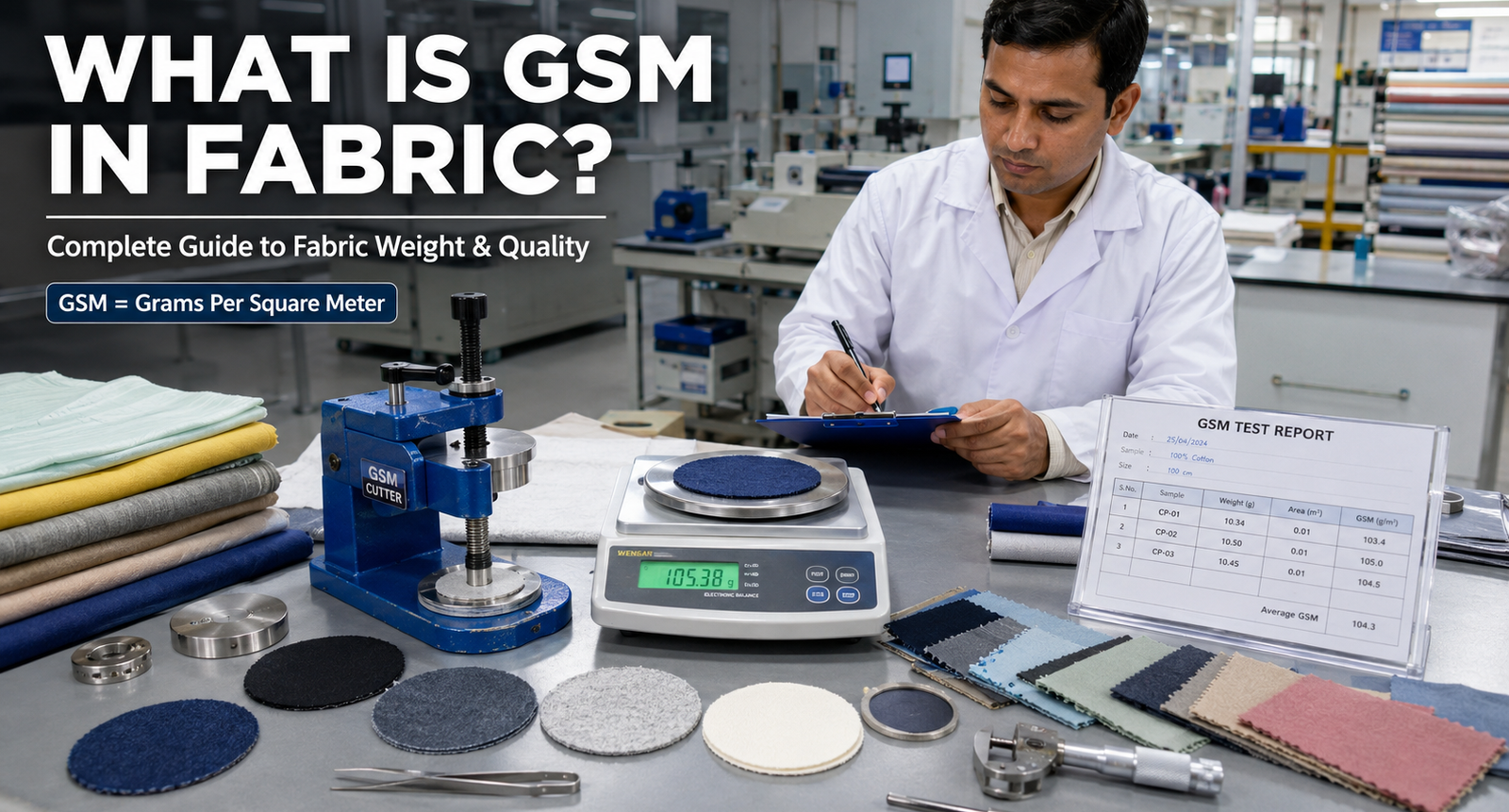
Welcome to our guide on material density. Knowing What Is GSM in Fabric is key for sewing or fashion projects.
This measurement guides your creative path. It affects how a garment looks, feels, and lasts.
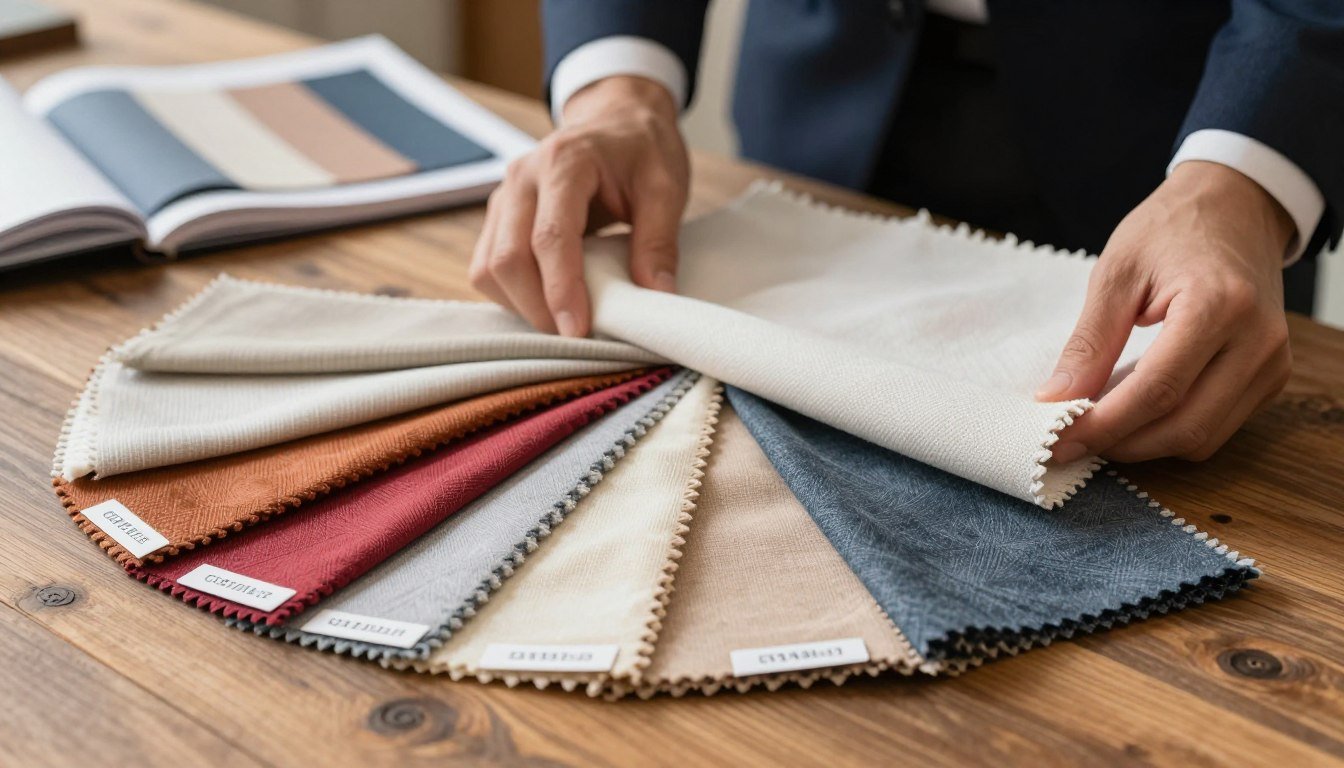
What Is GSM in Fabric?
Learning to read these specs lets you pick the best fabrics. Confidence comes from knowing your materials before starting.
We aim to help you understand these standards well. Let’s see how this number improves your textile choices for quality pieces.
Key Takeaways
- GSM stands for grams per square meter, measuring material density.
- Heavier weights provide more structure, while lighter options offer better drape.
- Knowing this metric helps you select the right material for specific patterns.
- Consistent weight choices lead to more professional-looking garments.
- Understanding these specs prevents common sewing frustrations and material waste.
What Is GSM in Fabric?
Let’s explore the key measurement in textiles. Whether you design clothes or sew at home, you’ve seen this term. It’s on labels and fabric bolts.
Knowing this metric helps you choose better for your projects. It’s a way to talk about how heavy or light a material is.
Defining the GSM Full Form in Textiles
The gsm full form in textile is grams per square meter. It shows how much a square meter of fabric weighs.
When we talk about gsm meaning in textile, we’re discussing material density. It doesn’t matter what the fabric is made of. This unit helps compare different fabrics.
Why Fabric Weight Matters for Your Projects
Knowing the weight is crucial. It affects how a fabric behaves in a garment. A higher number means a denser fabric, while a lower number means it’s lighter.
Choosing the wrong weight can mess up your project. For example, a heavy fabric might not be right for a summer dress. A very light fabric might not work for a tailored jacket.
We use this measurement for durability and quality. Checking the weight before buying helps predict how the fabric will last.
| Fabric Category | Weight Range (GSM) | Typical Use |
| Lightweight | Below 150 GSM | Blouses, Linings |
| Medium-Weight | 150 – 350 GSM | T-shirts, Bedding |
| Heavyweight | Above 350 GSM | Denim, Upholstery |
Understanding the Basics of Textile Weight
To master sewing, you need to know about textile weight. A good fabric weight guide helps you pick materials accurately. This ensures your projects turn out just as you imagined.
How GSM Differs from Thread Count
Many beginners mix up GSM and thread count. But they measure different things. GSM shows the actual mass of the fabric. Thread count is about how tightly the fabric is woven.
Think of it like this: thread count shows how tight the weave is. GSM shows how heavy the fabric is. Here’s a simple way to remember the difference:
- GSM: It’s about the weight and thickness.
- Thread Count: It’s about the weave’s density and yarn fineness.
- Application: Use GSM for durability and drape. Use thread count for softness and texture.
The Relationship Between Fiber Density and Fabric Feel
Fabric weight greatly affects how it feels and looks. Thicker fabrics feel more substantial and are great for outerwear. Thinner fabrics are softer and drape better.
“The soul of a garment is found in the weight of its fabric; it dictates the movement, the comfort, and the longevity of the piece.”
— Textile Design Expert
When using a fabric weight guide, remember it’s not just about numbers. It’s about the tactile experience of the material. Picking the right weight makes your project feel professional and comfortable.
The Standard Fabric GSM Chart
Ever felt lost with fabric labels? Our fabric gsm chart is here to help. It makes shopping easier by organizing materials by weight and use. We aim to make you confident in choosing the right fabric for your projects.
Lightweight Fabrics and Their Common Uses
Lightweight fabrics are under 150 GSM. They are delicate and great for warm weather. Use them for summer clothes, scarves, and curtains where you need airiness.
Medium-Weight Fabrics for Everyday Apparel
Medium-weight fabrics are between 150 and 350 GSM. They are versatile and perfect for daily wear like t-shirts and dresses. These fabrics are durable yet comfortable, keeping their shape all day.
Heavyweight Fabrics for Durability and Structure
For extra warmth or strength, choose fabrics over 350 GSM. These are great for winter coats and sturdy denim. They handle wear and tear well.
| Category | GSM Range | Typical Use |
| Lightweight | Under 150 | Blouses, Linings |
| Medium-Weight | 150 – 350 | T-shirts, Dresses |
| Heavyweight | Over 350 | Coats, Upholstery |
Our fabric gsm chart helps you shop smarter. Knowing fabric weights makes it easier to pick the right material for your sewing. This ensures a professional finish.
Deep Dive into Cotton Fabric GSM
Looking at cotton fabric GSM reveals why some shirts feel light and others sturdy. This number shows how much a square meter of fabric weighs. It helps us guess how a garment will look on the body. Understanding this value is the first step toward mastering your textile projects.
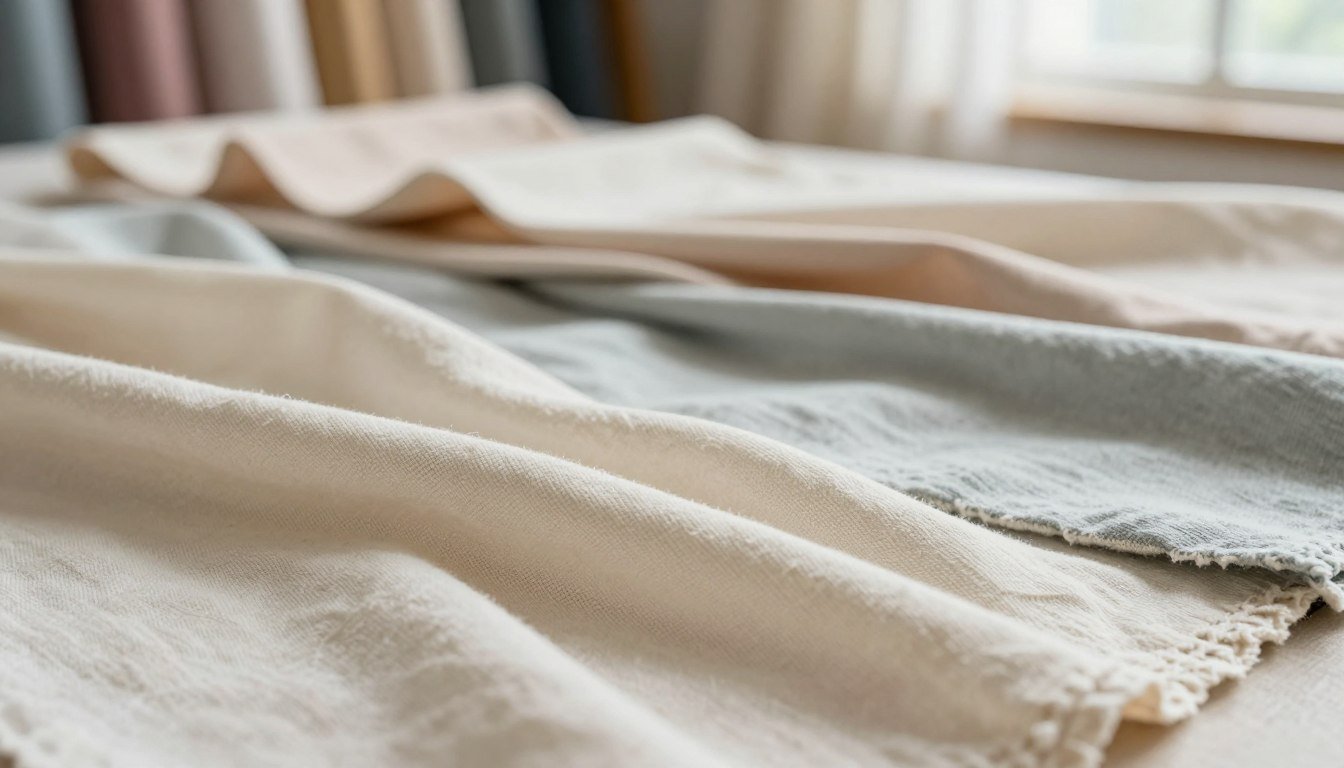
Why Cotton Weight Varies by Weave
The weight of cotton depends on how tightly the threads are woven. A loose weave, like in airy voile, has a lower cotton fabric GSM than a tight weave like denim. This affects how much air passes through and how opaque the fabric is.
High-density weaves are sturdy and durable for heavy-duty items. Lower-density weaves are breezy and comfortable, perfect for warm weather. By looking at the weave, we can guess the weight before touching it.
Selecting the Right Cotton for Seasonal Clothing
Choosing the right weight keeps your clothes comfortable all year. For summer, go for lighter fabrics that breathe well. When it gets colder, switch to a higher cotton fabric GSM for warmth and insulation.
| Fabric Type | Typical GSM Range | Best Seasonal Use |
| Cotton Voile | 60–80 | Hot Summer Days |
| Poplin | 100–130 | Spring and Autumn |
| Heavy Denim | 350–450 | Winter Wear |
Think about what your garment will do when picking a material. The right weight makes a big difference in how it works in daily life. We hope this guide makes you more confident in choosing fabrics.
Decoding T-Shirt GSM Explained
Ever wondered why some shirts feel flimsy while others feel substantial? It’s all about fabric weight. Knowing about t-shirt gsm explained is key for anyone wanting quality basics. Understanding these numbers helps us choose better for style and comfort.
The Difference Between Lightweight and Heavyweight Tees
Lightweight tees are under 150 GSM. They are incredibly breathable and great for hot days or layering. They feel soft and move with your body.
Heavyweight tees start at 200 GSM and up. They have a structured, premium feel and are seen as durable. Their denser fabric keeps shape and looks rugged.
How GSM Affects T-Shirt Durability and Drape
Fabric weight greatly affects how a shirt hangs, known as drape. Lighter fabrics cling to the body, while heavier ones offer a boxier look. Choosing the right weight is all about the look you want.
Durability also depends on GSM. Heavier fabrics resist stretching and thinning better over time. For a long-lasting shirt, go for a higher GSM.
| Category | GSM Range | Best Use Case | Drape Style |
| Lightweight | 120 – 150 | Summer wear | Soft and clinging |
| Mid-Weight | 150 – 190 | Everyday casual | Balanced and versatile |
| Heavyweight | 200+ | Streetwear/Work | Structured and boxy |
How to Calculate GSM for Your Fabrics
Ever wondered how to calculate GSM for your fabric scraps? You’re in the right spot. Knowing your fabric’s weight is key for the perfect drape and structure in sewing. Learning these methods lets you confidently check any fabric in your stash.
The Manual GSM Calculation Formula
To calculate weight manually, find the mass of a fabric area. The formula is (Weight of sample in grams / Area of sample in square centimeters) x 10,000. This formula shows the weight in grams per square meter, the standard for textile density.
For instance, if your sample weighs 2 grams and is 100 square centimeters, divide 2 by 100, then multiply by 10,000. This gives you a GSM of 200, typical for standard cotton jersey.
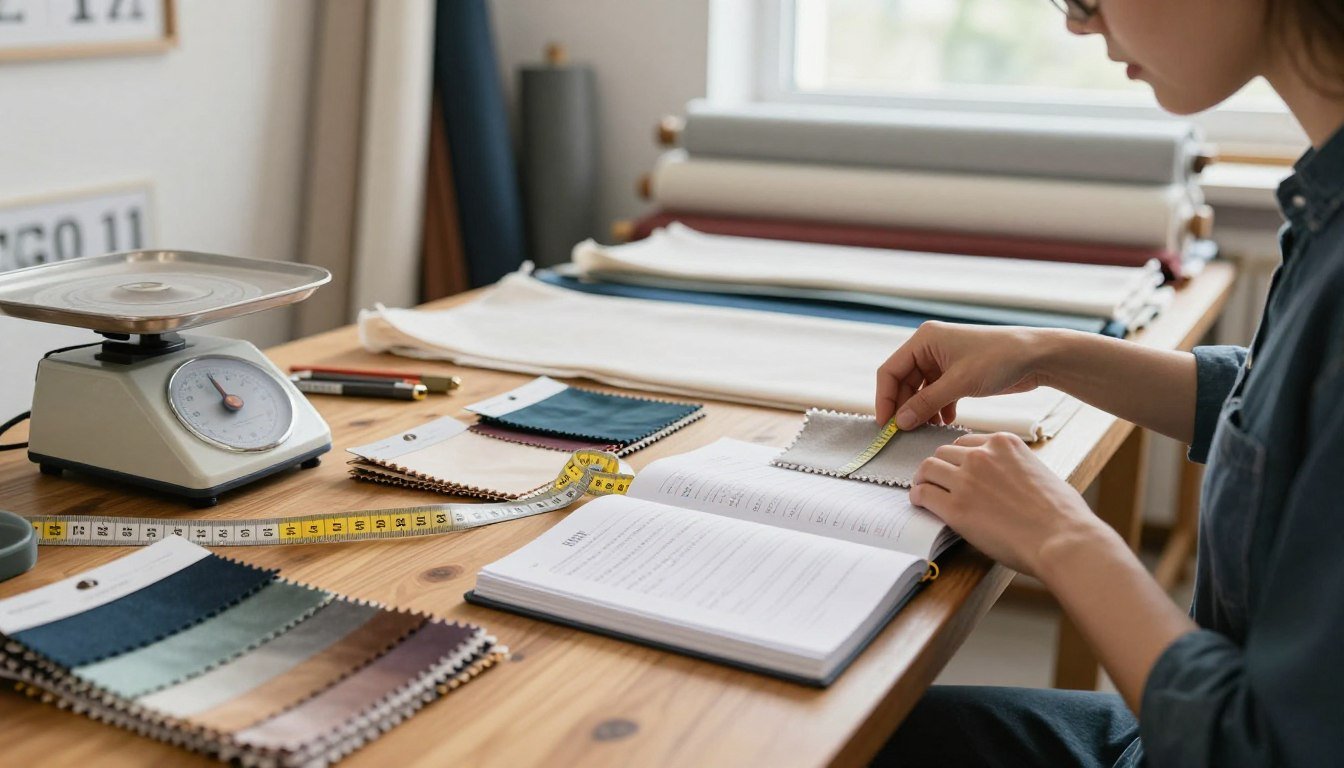
Using a GSM Calculator for Precision
Manual math is good, but a digital gsm calculator saves time and avoids mistakes. Online tools let you input dimensions and weight for an instant result. These tools are great for large fabric batches or strict quality control.
Tools You Need for Accurate Measurement
For reliable results, get a few basic tools. A precision digital scale is crucial, as it must measure small swatches accurately. A circular fabric cutter ensures your samples are the right size for the formula.
Also, have a cutting mat and a clear ruler for precise measurements. With a top-notch gsm calculator and these tools, you’ll always know your fabric’s weight.
Practical Tips for Choosing Fabric Based on GSM
Understanding fabric weight is key to a professional finish in your handmade clothes. Choosing the right material is a mix of technical knowledge and creativity. This ensures your final piece looks and feels just right.
Matching Fabric Weight to Your Sewing Pattern
When picking a pattern, the designer often suggests fabrics. It’s important to follow these suggestions because fabric weight affects how the garment fits. A heavy fabric might make a light blouse stiff, while a light fabric could make a structured jacket sag.
Think about the drape of the fabric before cutting. For a flowing silhouette, choose lower GSM fabrics. For structured garments, go for higher GSM materials.
Considering Climate and Comfort in Your Selection
Your local climate affects how comfortable your garment will be. In warm areas, pick lightweight, breathable fabrics for better airflow. These keep you cool in summer.
In colder seasons, layering is key for staying warm. Choose medium-weight fabrics for insulation without bulk. Comfort is as important as how it looks.
By using these tips, you’ll make better choices for your sewing projects. Evaluating fabric weight ensures your hard work pays off with a piece you’ll love for years.
Conclusion
Learning about fabric weight changes how you shop and design clothes. You now know how to judge fabric quality beyond looks. This skill helps your projects meet your needs for comfort and durability.
Keep a small book of your favorite fabrics. Mark each one with its GSM. This way, you’ll have a personal guide for future fabric shopping.
Choosing the right fabric weight is key to a successful garment. Whether it’s light cotton for summer shirts or heavy denim for jackets, your choices matter. We can’t wait to see your beautiful creations.
Share your sewing projects with our community. It’s great to see how you use these skills in your work. Happy sewing as you keep improving and exploring textiles.
FAQ
What exactly does the term GSM mean in the textile industry?
GSM stands for grams per square meter. It shows the weight of a fabric. This helps us understand its thickness and density. It’s a way to compare different fabrics, like a Silk scarf and a Carhartt jacket, no matter their material.
Is there a difference between GSM and thread count?
Yes, they are different. Thread count counts the threads in a square inch, like in bed sheets. GSM, on the other hand, measures the fabric’s mass. A high GSM means the fabric is heavy and dense. A high thread count makes the fabric smooth and fine.
How can we determine if a fabric is lightweight or heavyweight?
We use a fabric gsm chart to tell. Lightweight fabrics, like chiffon, are 30 to 150 GSM. Medium-weight fabrics, like Hanes t-shirts, are 150 to 350 GSM. Anything over 350 GSM, like heavy denim, is heavyweight.
Why does the weight of cotton fabric vary so much between different garments?
The weight of cotton fabric changes based on its weave and use. For example, cotton voile is light for summer, while cotton canvas is strong. We choose the GSM of cotton to match the fabric’s breathability and opacity.
What should I look for when I see “t-shirt gsm explained” in product descriptions?
When we see t-shirt gsm explained, we’re looking at how the shirt feels and looks. A standard t-shirt is about 180 GSM. For a heavier feel, choose a tee around 240 GSM. It’s more structured and less drapey than a thin one.
How do we calculate the weight of a fabric if the label is missing?
To find the gsm of a mystery fabric, weigh it in grams and divide by its area in square meters. For precise results, we use a digital gsm calculator and a circular sample cutter.
How does fabric weight influence the success of a sewing project?
Matching the fabric weight to your sewing pattern is key. A coat pattern won’t work with a low-GSM jersey. A summer dress needs the right GSM for a flowy look. Always check the recommended GSM for the best results.
Leave a Reply