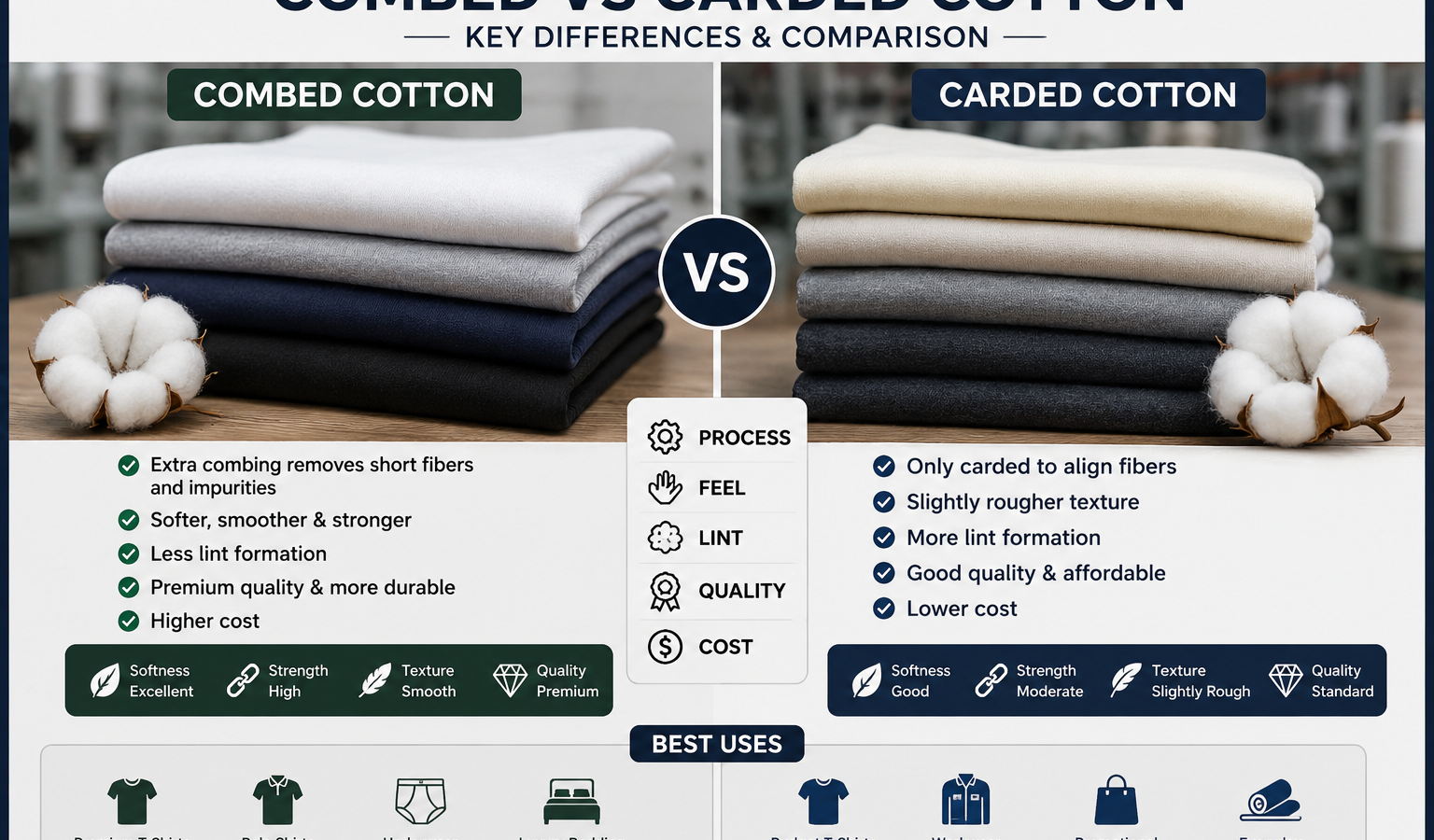
Ever wondered why some shirts feel super soft while others are a bit rough? The answer is in the cotton yarn manufacturing process. We often don’t think about how raw fibers turn into our daily clothes.
Knowing what is combed cotton and what is carded cotton helps you make better choices. By comparing cotton fabric quality, we see how these methods affect the feel and durability of our clothes.
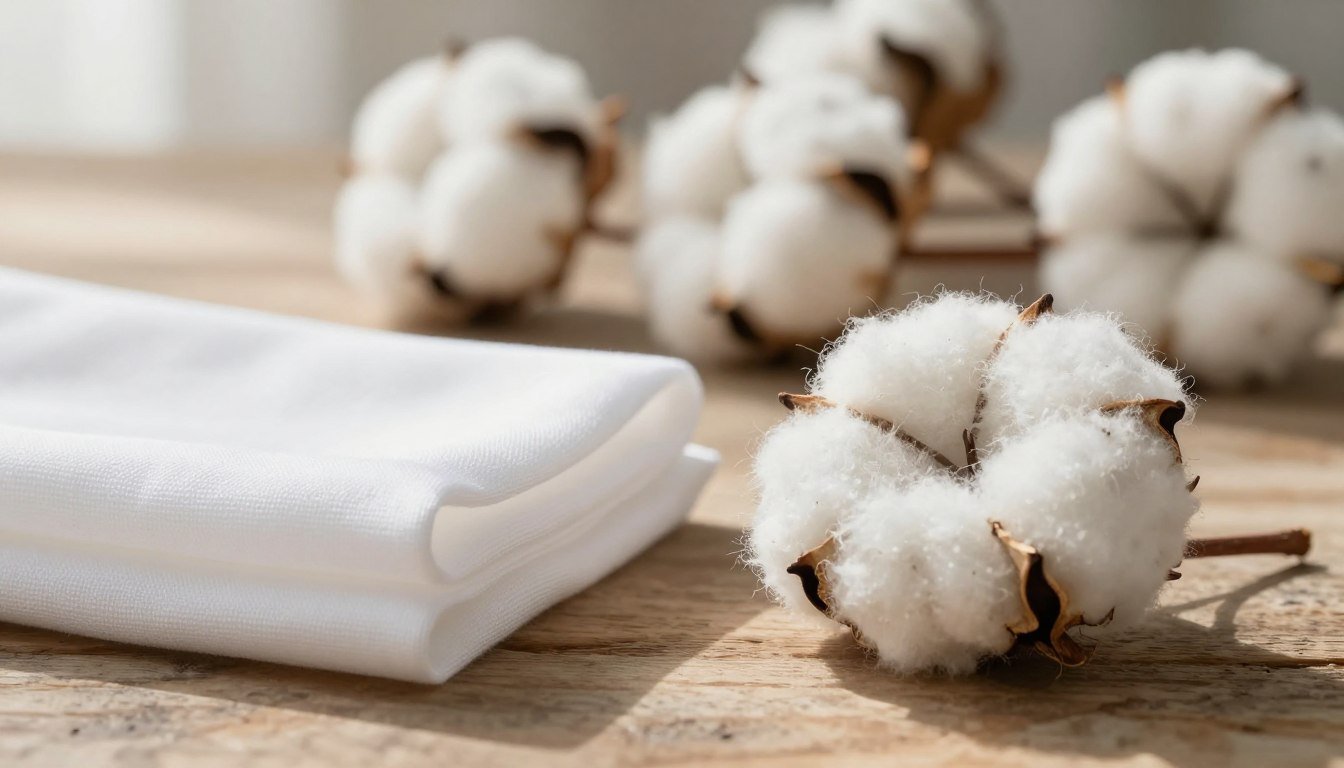
Combed vs Carded Cotton
Ring spun combed cotton gives a smooth, premium cotton fabric feel. On the other hand, carded cotton uses are in heavier, more casual items. Knowing the difference is key, whether you want luxury or practicality. Let’s dive into how these techniques shape your wardrobe.
Key Takeaways
- Combed fibers get extra processing to remove short strands and impurities.
- Carded materials are usually more affordable and have a thicker, rustic texture.
- Premium garments often use refined spinning techniques for better softness.
- Choosing the right material depends on your comfort and durability needs.
- Understanding textile production helps you find better value when shopping.
Understanding the Basics of Cotton Fiber
Every high-quality shirt starts as a simple, raw cotton fiber from the field. Before diving into textile manufacturing, we must first understand the raw material. These natural fibers are the base for everything from heavy denim to lightweight summer tees.
Cotton fibers differ in length, strength, and fineness, affecting yarn quality. Longer fibers make smoother, stronger threads. The harvest process separates lint from seeds, preparing it for spinning.
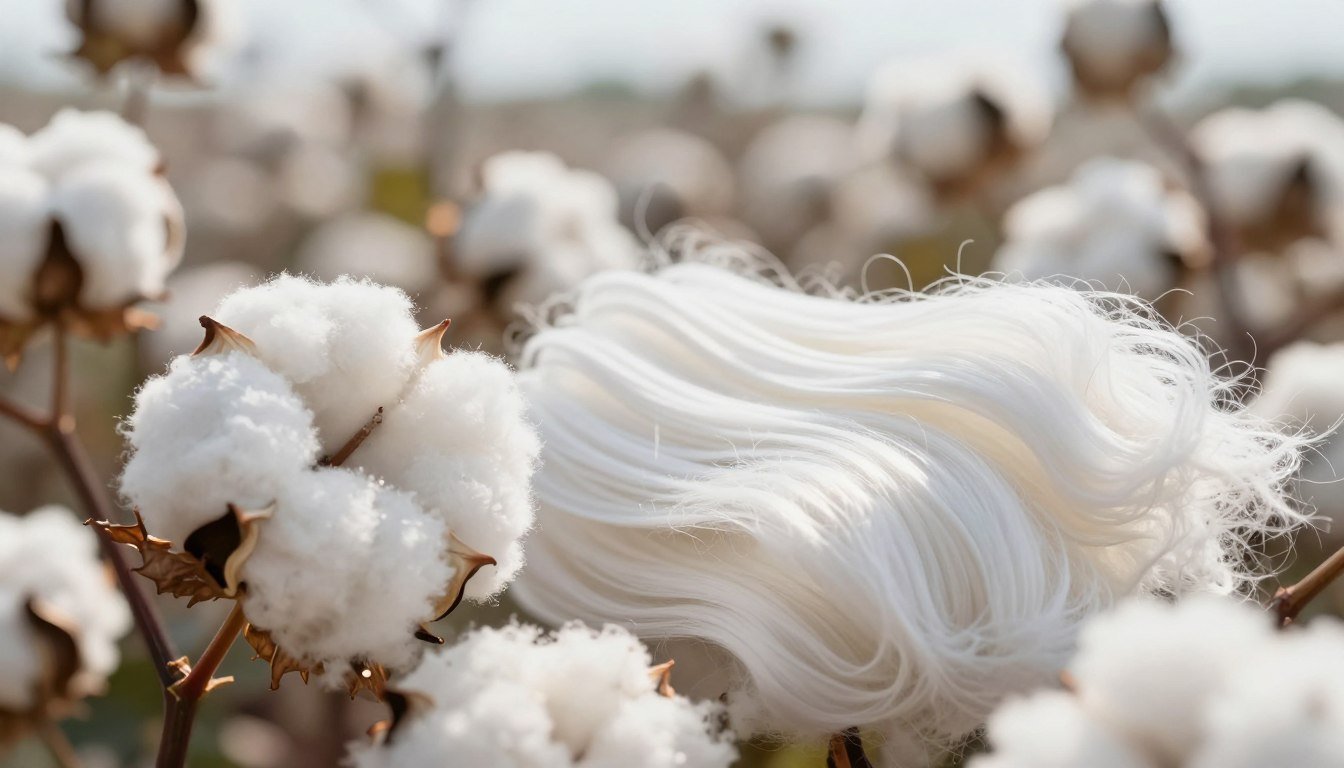
Understanding the Basics of Cotton Fiber
Knowing these basics helps us understand why some fabrics feel softer or last longer. The fiber’s quality affects yarn behavior and skin feel. By looking at these traits, we can guess how the final fabric will perform.
The table below shows how cotton fiber attributes impact fabric quality:
| Fiber Attribute | High-Quality Impact | Low-Quality Impact |
| Fiber Length | Smoother, stronger yarn | Prone to pilling and breakage |
| Fiber Strength | Increased garment longevity | Weak fabric structure |
| Fiber Fineness | Soft, luxurious hand-feel | Coarse, rough texture |
What is Carded Cotton
Ever wondered about the feel of your favorite t-shirt? You might be curious: what is carded cotton? It’s a common material in many casual clothes because it’s both affordable and good quality. It’s perfect for everyday wear because it’s strong and reliable.
The making of carded cotton involves cotton fibers going through special brushes. This process lines up the fibers and gets rid of some dirt and short strands. It’s not as tough as other methods, but it gets the cotton ready for making yarn.
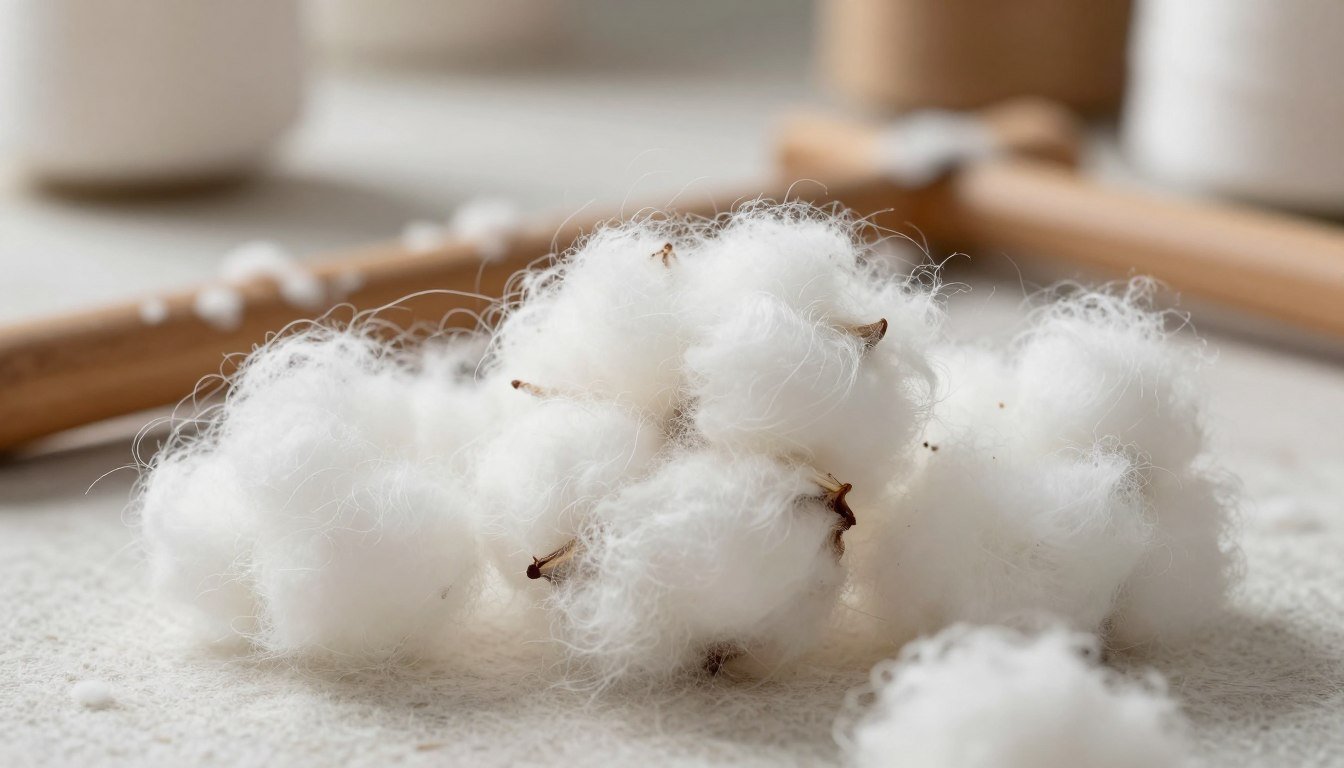
what is carded cotton
The yarn made from this process has a distinctive, rustic texture. Many love this because it feels real and timeless. Knowing about what is carded cotton helps you see why it’s a key choice for affordable, quality basics.
This fabric is great for those who want durability and a casual look. It holds up well to lots of washing and feels comfy and breathable. Here are the main things that make this fabric so popular.
| Feature | Description | Benefit |
| Texture | Slightly uneven | Classic, rustic feel |
| Cost | Economical | Budget-friendly |
| Durability | High | Long-lasting wear |
| Best Use | Everyday apparel | Versatile comfort |
What is Combed Cotton
Ever wondered why some shirts feel so soft? It’s probably because of combed cotton. Many ask what is combed cotton and why it’s different from regular fabrics. This material gets a special treatment during making that makes it stand out.
During making, fine brushes remove short, uneven fibers and dirt. This meticulous step makes sure only the longest, strongest fibers are used. These fibers are then spun into yarn, making the thread smoother and less likely to fray.
Choosing clothes made from this material means you’re picking comfort and style. The fibers are perfectly aligned, making the fabric significantly softer and more luxurious. Knowing what is combed cotton helps us value the effort put into our favorite clothes.
| Feature | Carded Cotton | Combed Cotton |
| Fiber Length | Mixed lengths | Long and uniform |
| Texture | Slightly coarse | Very smooth |
| Durability | Standard | High strength |
| Impurity Level | Moderate | Minimal |
The Science Behind Cotton Yarn Manufacturing
Turning a simple cotton boll into soft, durable yarn is a complex process. It involves advanced machinery that optimizes fiber structure. Understanding the technical side of cotton yarn manufacturing helps us value the clothes we wear.
The Carding Process Explained
Carding is the first step in preparing raw cotton fibers for spinning. Machines with fine wire teeth disentangle the fibers and remove debris or dust. This creates a thin, web-like structure called a sliver.
Carding is like a thorough cleaning and organizing stage. It makes the fibers parallel for spinning into yarn. Without it, the fabric would be uneven, weak, and likely to break.
The Combing Process and Fiber Alignment
The combing process refines the fibers further. It removes shorter fibers and any remaining impurities. This leaves only the longest, most uniform fibers.
This extra step makes the yarn smoother and stronger. The fibers are perfectly aligned, making the fabric feel softer. This precision is what makes premium materials stand out.
Combed vs Carded Cotton: A Detailed Comparison
The debate between combed cotton vs carded cotton often focuses on luxury versus utility. Both come from the same natural source. However, their manufacturing processes make them different, affecting how they work in our daily lives.
Texture and Hand-Feel Differences
Touching these fabrics shows a big difference. Combed cotton is processed to remove short, uneven fibers. This makes it feel silky and smooth against your skin.
Carded cotton, on the other hand, keeps those short fibers. This gives it a more substantial and rugged texture. Many like it for casual clothes because it feels durable and reliable.
Durability and Longevity Factors
The combing process does more than just make it soft. It also makes the yarn stronger. This means the fabric is less likely to pill or fray over time.
When looking at combed cotton vs carded cotton for long-term use, consider these differences:
- Surface Smoothness: Combed fibers make the surface cleaner, resisting fuzziness.
- Strength: Long fibers make the yarn less likely to break.
- Pilling Resistance: Fewer loose ends mean the fabric looks new for longer.
The table below shows how these two options compare in key areas:
| Feature | Combed Cotton | Carded Cotton |
| Texture | Silky and smooth | Substantial and rugged |
| Durability | High resistance to pilling | Moderate, prone to surface fuzz |
| Best Use | Premium apparel | Casual, everyday wear |
Choosing between combed cotton vs carded cotton depends on your needs. Combed cotton is great for a refined finish and lasting smoothness. Carded cotton is perfect for a thicker, textured feel in weekend shirts.
The Role of Ring Spun Combed Cotton in Textiles
If you’re looking for the perfect mix of strength and softness, ring spun combed cotton is the top choice. This special blend makes fabrics feel much more luxurious than usual. It combines careful combing with precise ring spinning to create a yarn that’s both fine and very strong.
The ring spinning method twists and thins cotton fibers into a tight rope. This process lines the fibers up in a straight line, removing the rough ends that can cause skin irritation. The thread becomes exceptionally smooth and less likely to fray over time because of this tight twisting.
We suggest this material for high-end t-shirts and luxury bedding because of its exceptional feel. Choosing ring spun combed cotton means you’re getting a product that keeps its shape and softness through many washes. It’s ideal for those who value quality and comfort in their everyday items.
| Feature | Standard Cotton | Ring Spun Combed Cotton |
| Fiber Alignment | Random | Highly Parallel |
| Texture | Coarse | Silky Smooth |
| Durability | Moderate | High Strength |
| Best Use | Basic Utility | Premium Apparel |
Analyzing Cotton Fabric Quality Comparison
When we buy new clothes, it’s key to check the cotton fabric quality comparison. The secret to lasting clothes is in how cotton fibers are made into yarn. Knowing this helps us choose clothes that will last, not fade fast.
Assessing Pilling and Surface Smoothness
Pilling happens when fibers on fabric form into small balls. This is common in cheap fabrics. Combed cotton, however, is made differently. It has a smooth surface because of a special process.
Combed cotton doesn’t pill much because its fibers are aligned well. This makes it feel soft and smooth. It’s a sign of high-quality cotton that shoppers should look for.
Breathability and Moisture Management
Fibers’ alignment affects how clothes feel in different weather. Well-aligned fibers let air pass through, making cotton breathable. This is why high-quality cotton is great for hot days.
The yarn’s density also matters for keeping us dry. Good cotton absorbs moisture well, keeping us cool and dry. Here’s a table to help compare cotton fabrics:
| Feature | Carded Cotton | Combed Cotton |
| Surface Texture | Slightly fuzzy | Very smooth |
| Pilling Resistance | Low to Moderate | High |
| Breathability | Moderate | Excellent |
| Durability | Standard | Premium |
Common Carded Cotton Uses in Everyday Life
Carded cotton is a top choice for our daily needs. It’s affordable and lasts long, making it perfect for many items. Knowing how carded cotton is used helps us see its value in today’s world.
This fabric is great for clothes that need to be tough. It’s not as fragile as other fibers, so it’s perfect for items that get a lot of use. It gives a strong feel that many people like for their active lives.
“Utility is the ultimate form of beauty in everyday textiles, providing us with the strength we need to get through our busiest days.”
Carded cotton is useful in many ways. It’s strong, whether you’re working hard or just relaxing. Here are some common uses:
- Heavy-duty workwear: Durable shirts and pants for tough jobs.
- Casual loungewear: Thick sweatpants and hoodies that stay comfy over time.
- Household textiles: Towels and washcloths that can handle lots of washing.
Choosing carded cotton for these needs means getting reliability without spending a lot. It’s a fabric that’s essential for our daily lives. We can count on these items to stay strong and useful for years.
Identifying Premium Cotton Fabric Characteristics
Understanding the physical traits of top-tier textiles is key to a lasting wardrobe. Many shoppers focus on brand names or labels. But, true quality lies in the physical construction of the material. To spot premium cotton fabric, examine how fibers come together.
First, check the garment’s surface under good lighting. Look for a tight, even weave that feels smooth on your skin. Quality pieces won’t have the fuzzy, uneven texture of cheaper materials. This shows superior manufacturing.
Premium cotton fabric also features longer staple fibers. These fibers are stronger and softer. They make the fabric drape beautifully, avoiding stiffness or bulkiness.
Lastly, see how the material looks over time. High-end textiles keep their color well, even after many washes. Learning these traits helps you find premium cotton fabric that lasts longer and looks better.
How to Choose the Right Fabric for Your Needs
Choosing the right fabric for your clothes is all about finding a balance. It’s about your budget and how you live your life. Think about how often you’ll wear something and how comfy you want it to be. This way, your clothes will stay both functional and fashionable for a long time.
Considering Your Budget and Usage
Seeing clothes as an investment is smart. Carded cotton is cost-effective, perfect for everyday clothes like loungewear or casual shirts. These items are tough and great for daily tasks or just chilling at home.
Combed cotton, however, costs more because of the extra steps in making it. It’s best for clothes that touch your skin more, like undergarments or soft, refined tops. Spending a bit more on combed cotton can be worth it for a wardrobe that lasts longer and feels better.
Matching Fabric Type to Garment Style
The type of cotton you choose depends on the clothes you’re making. For sports clothes, look for cotton that wicks away moisture and breathes well. Combed cotton is great for this because it’s smooth and doesn’t chafe when you move.
For dress shirts and professional clothes, combed cotton is the way to go. It looks crisp and clean because of the way it’s made. It also doesn’t pill and stays looking good all day. But, if you want something tough for work clothes or jackets, carded cotton is better. It’s heavier and lasts longer.
| Garment Type | Recommended Fabric | Primary Benefit |
| Casual T-Shirts | Carded Cotton | Affordability |
| Formal Dress Shirts | Combed Cotton | Smooth Finish |
| Athletic Apparel | Combed Cotton | Softness |
| Workwear Jackets | Carded Cotton | High Durability |
Environmental Impact and Sustainability Considerations
Making smart fashion choices means knowing the hidden effects of our favorite fabrics. As aware consumers, we need to think about the environmental footprint of our clothes. Every piece we buy tells a story of water use, energy, and waste.
The making of cotton is very resource-heavy. Carded and combed cotton show different effects on our planet. Combing needs more machines and energy to clean fibers. This makes a smoother, stronger fabric but also more fiber waste.
But, there’s a positive side. Combed cotton makes better, longer-lasting clothes. This leads to a more sustainable wardrobe. Choosing quality over quantity helps us use less.
The table below shows the environmental impact of these cotton methods:
| Factor | Carded Cotton | Combed Cotton |
| Energy Usage | Lower | Higher |
| Waste Production | Minimal | Moderate |
| Garment Longevity | Moderate | High |
| Resource Efficiency | High | Moderate |
We aim to balance comfort with caring for the earth. By picking durable textiles, we support lasting production. Look for brands that are open about their making and care for the planet.
Conclusion
Choosing between combed and carded cotton depends on what you like and how you plan to use it. Now, you know the difference between these two ways of making cotton. This knowledge helps you make better choices when shopping for clothes from brands like Hanes or Fruit of the Loom.
Good quality fabrics need the right way of preparing the fibers to meet certain needs. You might like the soft, smooth feel of combed cotton for your favorite t-shirts. Or, you might choose the strong, affordable carded cotton for work clothes or home items.
Before buying clothes, check the labels and feel the fabric. Knowing these small differences helps keep your clothes comfy and lasting longer. We hope this guide helps you on your next shopping trip.
What fabric will you pick for your next project? Let us know or ask more about fabric quality. We’re excited to hear about your experiences with these cotton types.
FAQ
What is combed cotton, and why does it feel so much softer than standard cotton?
Combed cotton is a higher quality than standard cotton. It goes through an extra step in making cotton yarn. Fine brushes remove short, prickly threads, leaving only the longest fibers.This makes the fabric smooth, soft, and durable. You’ll find it in high-end clothes from brands like Bella+Canvas and Supima.
What is carded cotton, and what are its primary benefits?
Carded cotton is the usual material for many clothes. It’s made by brushing raw cotton to align fibers. But it doesn’t get the extra refining that combed cotton does.This results in a fabric that’s a bit more textured and fuzzy. It’s a good, affordable choice for those who like a more rugged feel. It’s perfect for classic, reliable basics.
When looking at combed cotton vs carded cotton, which should we choose for long-term durability?
For lasting quality and a “like-new” look, choose combed cotton. It’s less likely to fray or break because of the removed weak fibers. This also means it won’t pill as fast.But, carded cotton is better for workwear that needs to be thick and tough.
What are the most common carded cotton uses we see in stores today?
Carded cotton is used in many practical ways. It’s in workwear like Carhartt and in standard t-shirts, jeans, and kitchen towels. It’s durable for items that face a lot of wear and tear.
Why is ring spun combed cotton considered the gold standard for apparel?
Ring spun combed cotton is the best for comfort and strength. It combines the refining of combed cotton with the twisting of ring spinning. This makes a fine yet strong thread.This is why premium t-shirts from brands like Next Level Apparel are so soft and last long. They’re great for printing and feel silky.
How can we perform a quick cotton fabric quality comparison when shopping?
Start with the “hand-feel” test. Run your fingers over the fabric. Premium cotton feels smooth and even, while lower quality may feel fuzzy.Also, hold the garment up to light. High-quality combed fabric has a tight, uniform weave with few “neps.” This means better breathability and moisture management.
How does the manufacturing process impact the sustainability of our clothing?
Choosing better fabrics is key to sustainable fashion. Combed cotton manufacturing creates more waste fiber, but these can be recycled. Plus, combed cotton clothes last longer and pill less.This means we can wear them for more seasons. Investing in quality reduces textile waste and is better for the environment.
Leave a Reply