Why Your “Simple” EPI Change Might Add 3 Weeks to Your Order
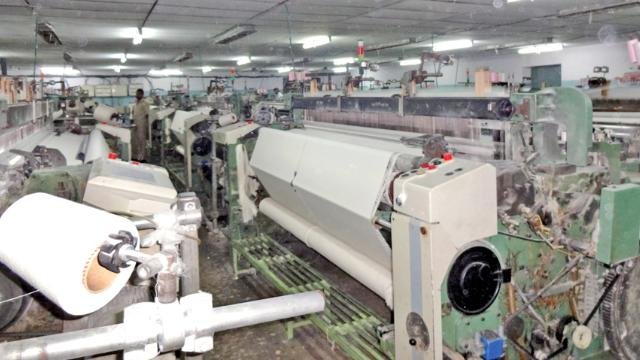
Meta description: A buyer asks for a slightly higher EPI on an existing pocketing construction, expecting a quick quote — and the…
Meta description: A buyer asks for a slightly higher EPI on an existing pocketing construction, expecting a quick quote — and the…
Meta description: A fabric within the standard 3-5% shrinkage tolerance can still shift your per-garment fabric consumption more than merchandisers expect —…
Meta description: Most guides tell you TC 80/20 is “cheaper” than 65/35 — but never show the math. Here’s the real GSM…
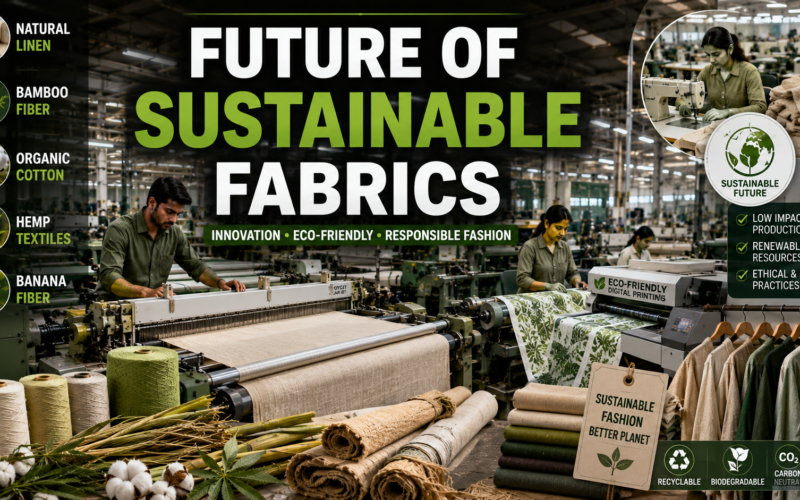
Introduction The fashion industry is undergoing one of the biggest transformations in its history. For decades, fast production cycles, excessive consumption, and…
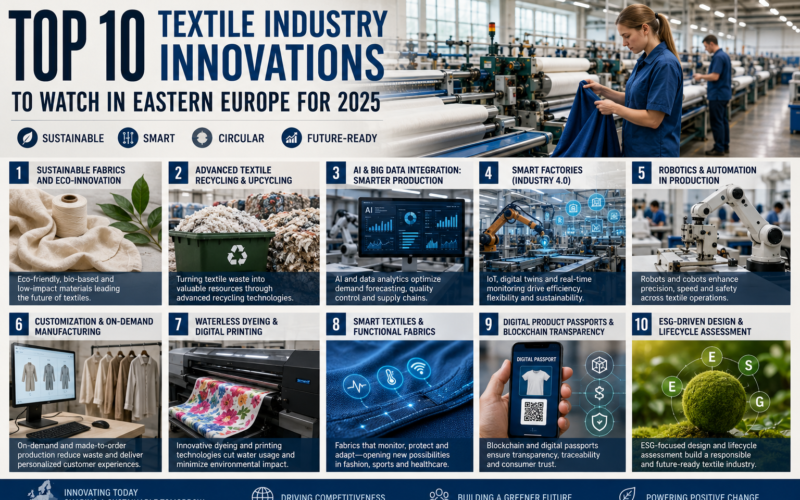
Introduction For many years, Eastern Europe was viewed primarily as a cost-effective manufacturing destination for global fashion and textile brands. Countries across…
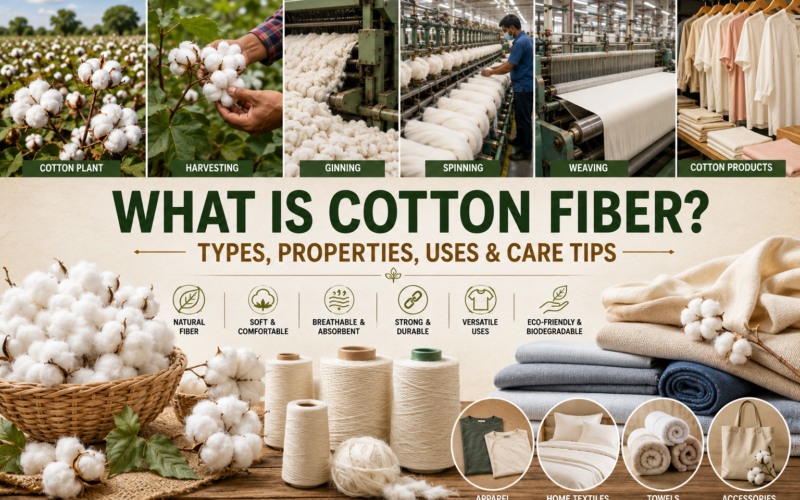
Introduction Cotton is one of the most important natural fibers in the history of textiles. From the clothes we wear every day…
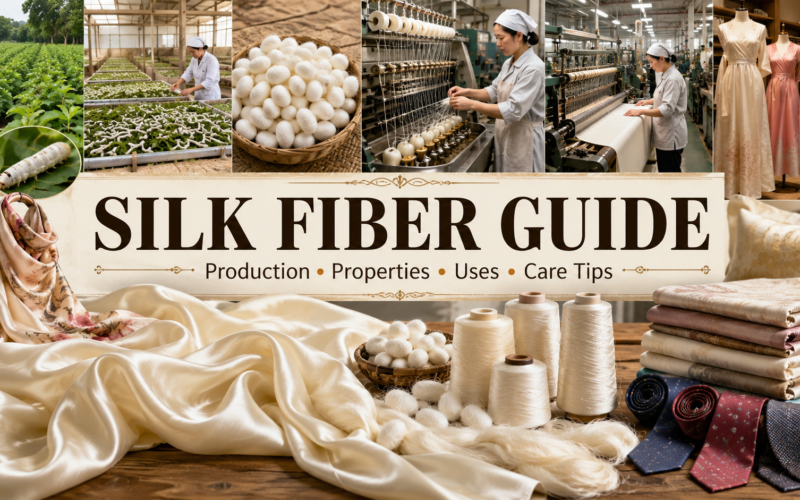
Introduction Silk has been admired for thousands of years and continues to be one of the most luxurious natural fibers used in…
Sustainable Fabrics in Textile Industry | Linen, Bamboo & Plant-Based Fiber Guide Discover how linen, bamboo, hemp, organic cotton, and plant-based fibers…
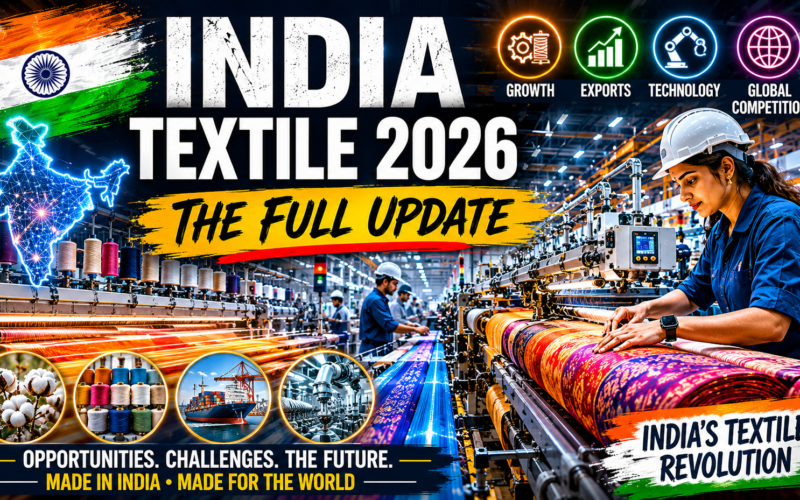
India’s textile industry — the backbone of the country’s manufacturing economy, the second-largest employer after agriculture, and a sector woven into the…
Waste in textile manufacturing is often measured in percentages that seem small but translate to significant financial losses at scale. ERP systems provide the data visibility to systematically identify and eliminate these losses.