All Articles

ERP Guides & Reviews

Browse all articles, reviews, and implementation guides for textile ERP software.

Blog

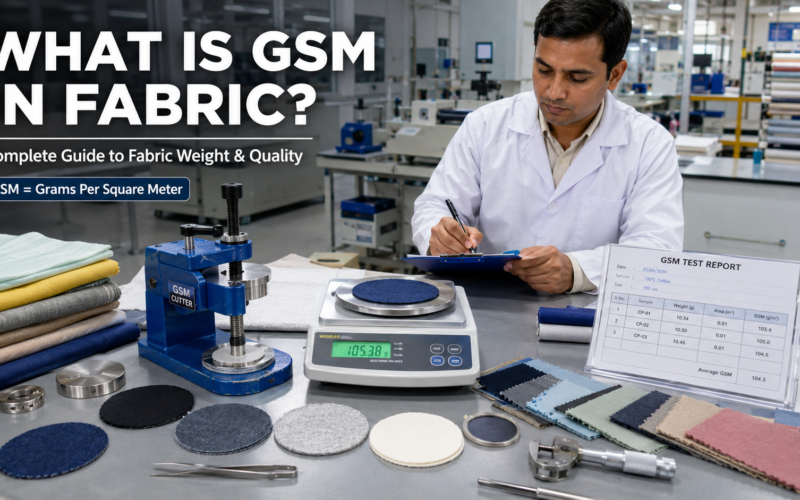
What Is GSM in Fabric A Friendly Guide to Fabric Weight

Welcome to our guide on material density. Knowing What Is GSM in Fabric is key for sewing or fashion projects. This measurement guides your creative path. It affects how a garment looks, feels, and lasts. What Is GSM in Fabric? Learning to read these specs lets you pick the best fabrics. Confidence comes from knowing your materials before starting. We aim to help you understand these standards well. Let’s see how this number improves your textile choices for quality pieces. Key Takeaways GSM stands for grams per square meter, measuring material density. Heavier weights provide more structure, while lighter options offer better drape. Knowing this metric helps you select the right material for specific patterns. Consistent weight choices lead to more professional-looking garments. Understanding these specs prevents common sewing frustrations and material waste. What Is GSM in Fabric? Let’s explore the key measurement in textiles. Whether you design clothes or sew at home, you’ve seen this term. It’s on labels and fabric bolts. Knowing this metric helps you choose better for your projects. It’s a way to talk about how heavy or light a material is. Defining the GSM Full Form in Textiles The gsm full form in textile is grams per square meter. It shows how much a square meter of fabric weighs. When we talk about gsm meaning in textile, we’re discussing material density. It doesn’t matter what the fabric is made of. This unit helps compare different fabrics. Why Fabric Weight Matters for Your Projects…
21 min read Read More →
Blog

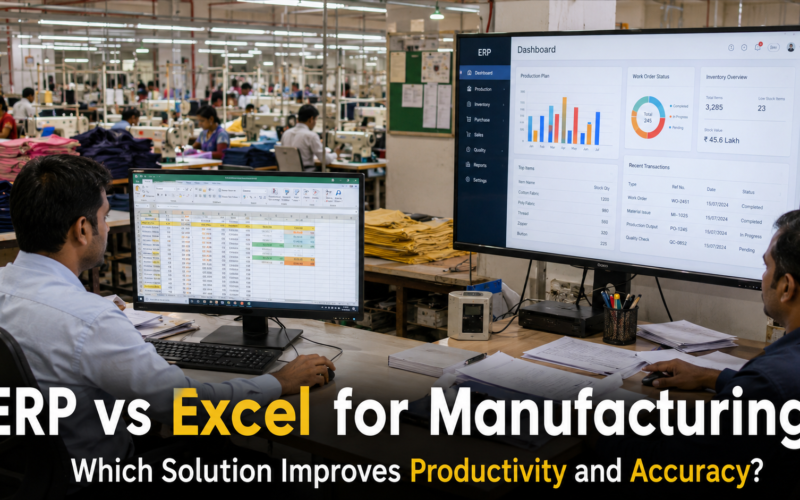
ERP vs Excel for Manufacturing: Which Is Best for You?

Starting with a spreadsheet feels natural. It’s easy to keep track of inventory or daily tasks at first. But, as our production grows, spreadsheets can’t keep up. This problem makes us question our digital strategy. We must choose between sticking with what we know or moving to a dedicated system. Choosing the right path affects our daily work and future growth. We aim to guide you in picking the best tool for your needs. Understanding the erp vs excel for manufacturing debate is key to a more efficient future for your team. Key Takeaways Spreadsheets offer low entry costs but struggle with real-time data accuracy. Dedicated systems provide better scalability as production volume increases. Manual data entry in spreadsheets often leads to costly human errors. Integrated software improves communication across different departments. The best choice depends on your current business size and future goals. The Reality of Spreadsheet-Based Production Management Many of us start with spreadsheets because they’re easy to use. They’re free and don’t need special training. When we look at erp vs excel for production planning, spreadsheets seem better at first because they’re free and easy to get. Why We Start with Excel In the beginning, we just need to track materials and monitor output. Excel is great for this because it lets us create custom formulas and layouts. It fits our small-scale needs perfectly. Starting small means we can spend our money on equipment, not expensive systems. This makes spreadsheets a popular choice for new businesses. But, as we grow, Excel’s limitations become clear when compared to erp vs excel for production planning. The Hidden Costs of Manual Data Entry As we get more complex, updating spreadsheets takes a lot of time. We often don’t realize how much time is lost to data entry. This not only slows us down but also increases the chance of errors. Manual entry means we can’t see updates in real-time. This forces us to make decisions with old information, leading to inventory mistakes. The costs of keeping spreadsheets can add up, making erp vs excel for production planning a key choice for growing businesses. Understanding ERP vs Excel for Manufacturing First, we need to know the difference between simple spreadsheets and advanced management systems. Using familiar tools is okay, but knowing when to switch is key for success. Defining the Scope of Manufacturing Management Software Today’s manufacturing management software is a central hub for all business activities. It’s not like static files; it links inventory, sales, and production schedules in real-time. This ensures all departments work with the same data, reducing errors. Using manufacturing ERP software gives us a complete view of our factory floor. This is impossible with manual tracking. It automates tasks, letting our team focus on growth, not data entry.…

24 min read Read More →