A Turning Point for the Global Textile Industry
The beginning of 2021 brought a sense of optimism across the world. Countries started rolling out COVID-19 vaccination programs, offering hope after one of the most challenging years in modern history. India itself launched one of the world’s largest vaccination drives with Covishield and Covaxin.
At the same time, another historic event quietly reshaped global trade. On January 1, 2021, the United Kingdom officially completed its exit from the European Union. While Brexit dominated political discussions for years, its impact on international trade, especially the textile and apparel sector, is now becoming increasingly significant.
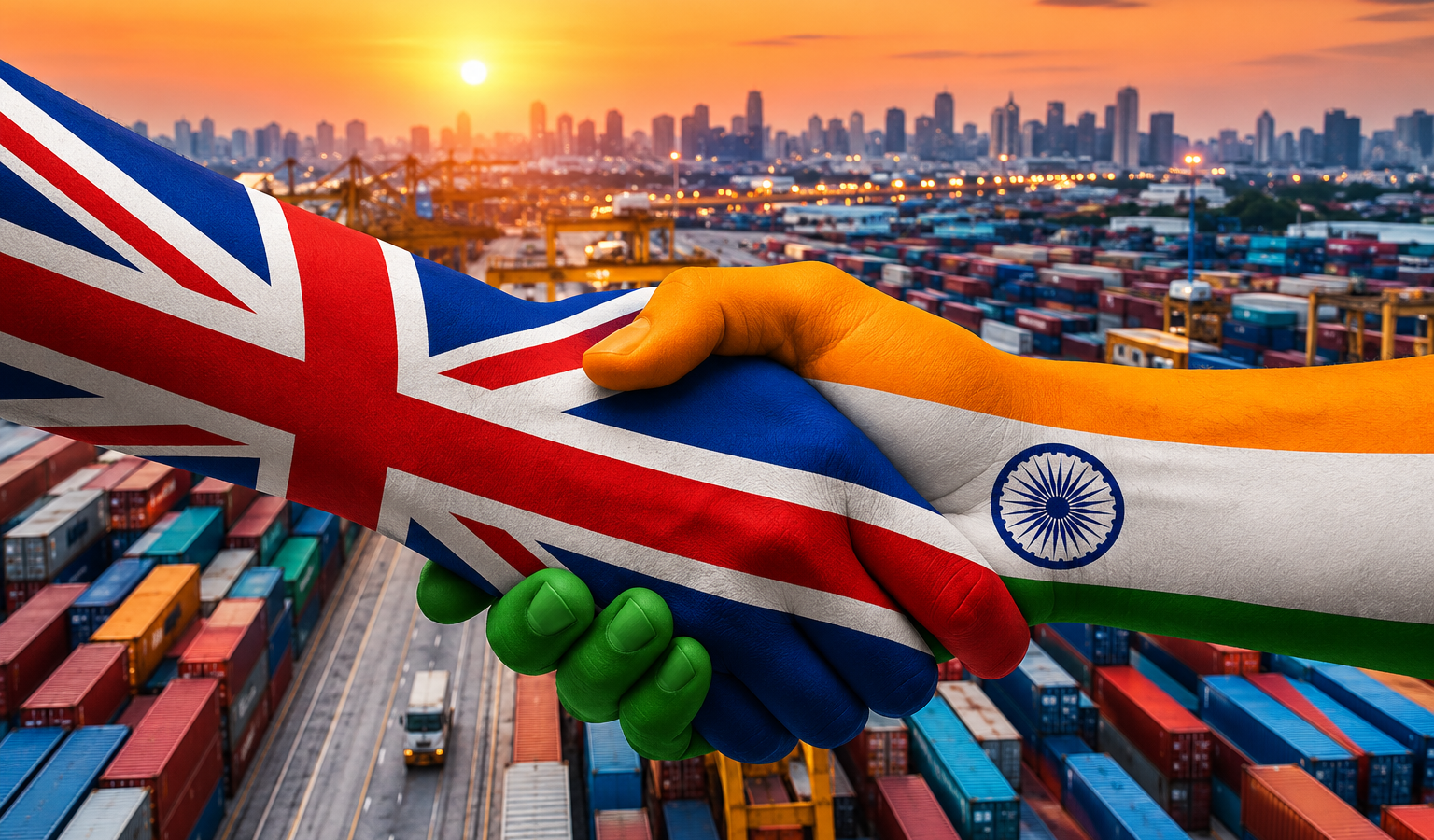
For India, one of the world’s leading textile manufacturing nations, Brexit has opened a potentially valuable opportunity. Industry bodies such as the Apparel Export Promotion Council (AEPC) and the Cotton Textiles Export Promotion Council (Texprocil) have emphasized the importance of strengthening trade ties with the UK through a comprehensive Free Trade Agreement (FTA).
Why Brexit Matters for the Textile Sector
Before Brexit, trade between India and the UK was largely influenced by broader European Union policies and regulations. With the UK now operating independently, it has the freedom to negotiate its own trade agreements with countries around the world.
This creates a fresh opportunity for Indian textile exporters.
The UK is one of the largest importers of apparel, home textiles, and fashion products globally. Indian manufacturers already enjoy a strong presence in the British market, but competition remains intense from countries such as Bangladesh, Vietnam, Turkey, and Pakistan.
A favorable trade agreement could significantly improve India’s competitive position.
The Importance of the UK Market for India
The United States remains the largest destination for Indian textile exports. However, Europe collectively represents the second-largest export market.
Within Europe, the United Kingdom has traditionally been among the biggest buyers of Indian textile and apparel products. A significant share of India’s apparel exports to Europe is consumed in the UK market.
British consumers have long appreciated Indian products due to:
- High-quality cotton textiles
- Competitive pricing
- Strong manufacturing capabilities
- Diverse product range
- Ethical and sustainable sourcing initiatives
The UK imports a wide variety of products from India, including:
- Garments and fashion apparel
- Cotton fabrics
- Home furnishings
- Bed linen
- Towels
- Curtains and upholstery fabrics
- Technical textiles
As Brexit reshapes trade relationships, India has an opportunity to increase its market share further.
Why a Free Trade Agreement Is Essential
The textile industry has repeatedly highlighted the need for a dedicated India-UK Free Trade Agreement.
Without an FTA, Indian exporters continue to face import duties and tariff barriers that reduce their price competitiveness compared to other exporting nations.
Countries like Bangladesh and Vietnam already enjoy favorable access to many international markets. These advantages often allow them to offer products at lower landed costs.
If India secures a strong FTA with the UK, several benefits could follow:
Reduced Import Duties
Lower tariffs would help Indian products become more affordable for British buyers.
Increased Export Volumes
Competitive pricing can drive higher demand for Indian garments, fabrics, and home textiles.
Better Market Access
Simplified trade procedures can encourage more British brands to source from India.
Stronger Long-Term Partnerships
A formal agreement can create greater confidence among international buyers and investors.
Growing Competition from Other Textile Exporters
The opportunity presented by Brexit is significant, but it is also time-sensitive.
Several countries have already moved quickly to establish trade arrangements with the UK.
Competitors such as:
- Bangladesh
- Vietnam
- Turkey
- Canada
- Singapore
have actively pursued trade agreements and preferential market access.
This means India cannot afford delays.
The global textile market is highly competitive, and sourcing decisions are often driven by cost advantages. Even small differences in tariffs can influence where major retailers place their orders.
Industry experts believe India must act decisively to avoid losing market share to faster-moving competitors.
India’s Existing Strengths
Despite growing competition, India possesses several advantages that can support stronger trade relations with the UK.
Large Manufacturing Base
India is one of the world’s largest textile producers with an integrated value chain from fiber to finished garments.
Cotton Leadership
As one of the largest cotton producers globally, India has a natural advantage in cotton-based textiles.
Skilled Workforce
Millions of workers contribute to India’s textile and apparel ecosystem, providing extensive manufacturing expertise.
English Language Advantage
Communication is often easier between Indian exporters and British buyers due to widespread English proficiency.
Strong Business Relationships
India and the UK share deep historical, economic, and cultural ties that can facilitate future trade cooperation.
Home Textiles: A Major Growth Opportunity
While apparel dominates textile exports to the UK, home textiles represent another important growth segment.
British consumers continue to show strong demand for:
- Bedsheets
- Pillow covers
- Curtains
- Upholstery fabrics
- Kitchen textiles
- Towels
- Decorative home furnishings
Indian manufacturers are already well-known for producing high-quality home textile products at competitive prices.
As consumers increasingly focus on comfort, sustainability, and value, Indian suppliers have an opportunity to expand their presence in this category.
The Rise of Sustainable Textile Manufacturing
Sustainability is becoming a key purchasing factor in the UK and European markets.
Consumers are increasingly demanding:
- Organic cotton products
- Recycled fibers
- Sustainable manufacturing processes
- Ethical labor practices
- Reduced environmental impact
Indian textile companies investing in sustainability certifications and eco-friendly production methods could gain a significant advantage.
Brexit provides an opportunity not only to increase export volumes but also to position India as a preferred sustainable sourcing destination.
Manufacturing Opportunities Beyond Exports
Another area with enormous potential is third-party manufacturing.
Many British fashion and home furnishing brands outsource production to international manufacturers to reduce costs and improve efficiency.
India can leverage its:
- Manufacturing infrastructure
- Skilled labor force
- Competitive production costs
- Design capabilities
to become a preferred manufacturing hub for UK brands.
This model creates long-term business relationships and generates additional employment opportunities within India’s textile sector.
Challenges That Still Need Attention
Although the opportunities are promising, several challenges remain.
Rising Competition
Countries with existing preferential trade arrangements continue to enjoy cost advantages.
Logistics Costs
Global freight rates and supply chain disruptions can impact competitiveness.
Compliance Requirements
UK buyers increasingly demand strict compliance with quality, environmental, and social standards.
Speed to Market
Fast fashion brands require shorter lead times and flexible production capabilities.
Indian manufacturers must continue investing in technology, automation, and supply chain efficiency to remain competitive.
The Road Ahead
Brexit has undoubtedly created a unique moment for the Indian textile industry.
The UK’s departure from the European Union has reshaped global trade dynamics and opened a new chapter for textile exporters worldwide. For India, this represents more than just another export destination. It is an opportunity to strengthen its position in one of the world’s most important textile markets.
A comprehensive India-UK Free Trade Agreement could help eliminate tariff disadvantages, boost exports, attract investment, and create thousands of jobs across the textile value chain.
The coming years will determine whether India can fully capitalize on this opportunity. With strategic policy support, industry collaboration, and continued focus on quality and sustainability, Indian textile manufacturers are well-positioned to expand their footprint in the UK market.
Conclusion
Brexit is one of the most significant trade developments of recent years, and its impact on the textile industry will continue to unfold. For India, the UK market presents a valuable opportunity to increase exports, strengthen global competitiveness, and drive long-term industry growth.
The window of opportunity is open, but it will not remain open forever. Timely trade agreements, proactive industry initiatives, and sustained innovation will be essential if India aims to emerge as a dominant force in the global textile and apparel trade.
Leave a Reply