




#1 Textile ERP Resource

Textile Calculators
For GSM, Costing & Production

Practical tools and in-depth guides for textile manufacturers, traders, and industry professionals.

👥 Used by Manufacturers ✅ Based on Real Formulas 🏭 Built for Production Teams
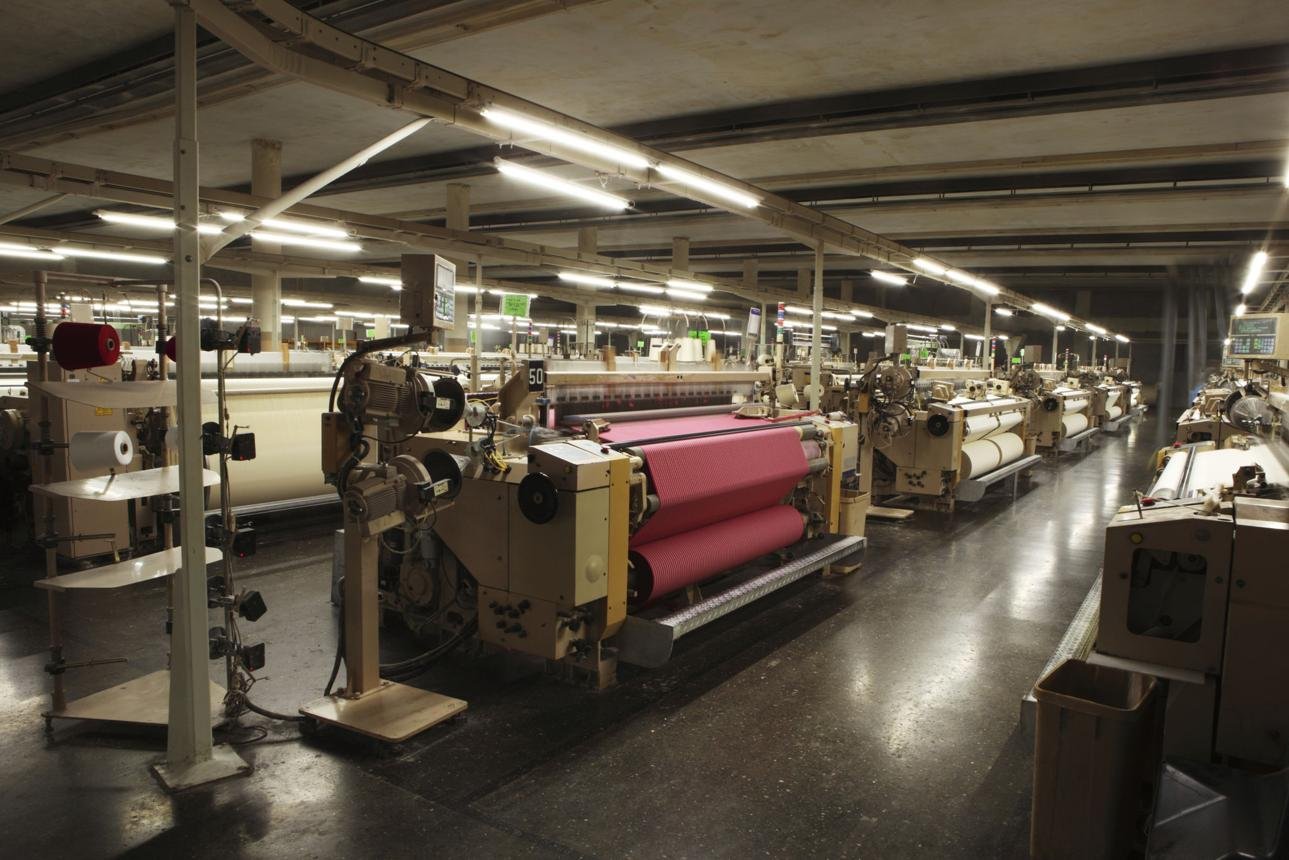
Air-jet weaving looms in a textile factory

Textile Calculator Suite

View All Calculators →

GSM Calculator

Calculate fabric GSM with ease.

Open Tool →

Fabric Cost Calculator

Calculate fabric cost, margin & selling price.

Open Tool →

Yarn Count Converter

Convert between different yarn count systems.

Open Tool →

Warp & Weft Calculator

Calculate ends, picks, PPM & more.

Open Tool →

Loom Production Calculator

Calculate production, efficiency & output.

Open Tool →
📈

Shrinkage Calculator

Find shrinkage % in warp & weft.

Open Tool →

Inside Textile Manufacturing

See Our Process →
Air-jet looms in a textile factory

Advanced Weaving

Air-jet looms for high quality fabrics

Modern dyeing and finishing machines

Processing & Dyeing

Modern dyeing and finishing process

White fabric rolls in a textile warehouse

Finished Fabrics

Wide range of pocketing & industrial fabrics

Our Fabric Expertise

PC Blend fabric warp threads

PC Blends

65:35, 80:20 & more

Cotton fabric rolls

Cotton Fabrics

100% Cotton & Blends

Pocketing and lining fabric on loom

Pocketing & Lining

For Denim, Trousers & More

Printed and dyed fabrics

Printed Fabrics

Yarn Dyed & Printed

Functional finish fabrics on high-speed looms

Functional Finishes

WR, Anti-Static, UV & more

Custom fabric solutions warehouse

Custom Solutions

As per your requirement

Latest Guides & Articles

View All Articles →

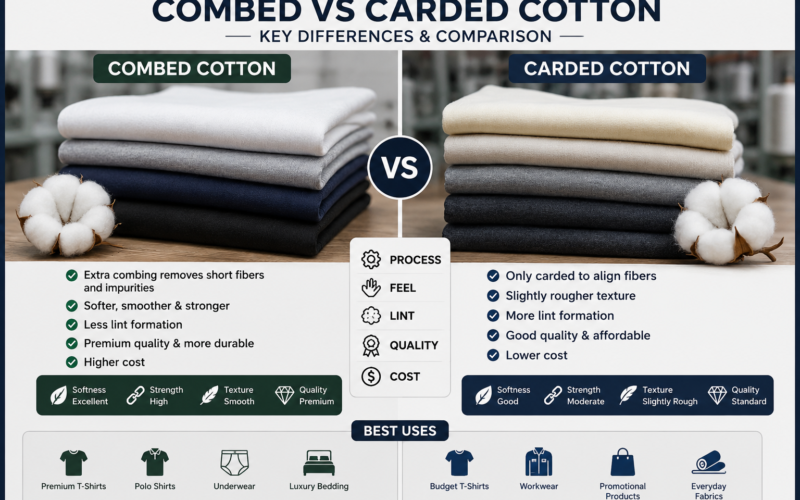
Combed vs Carded Cotton: Which Fabric Is Best for You?

Ever wondered why some shirts feel super soft while others are a bit rough? The answer is in the cotton yarn manufacturing process. We often don’t think about how raw fibers turn into our daily clothes. Knowing what is combed cotton and what is carded cotton helps you make better choices. By comparing cotton fabric quality, we see how these methods affect the feel and durability of our clothes. Combed vs Carded Cotton Ring spun combed cotton gives a smooth, premium cotton fabric feel. On the other hand, carded cotton uses are in heavier, more casual items. Knowing the difference is key, whether you want luxury or practicality. Let’s dive into how these techniques shape your wardrobe. Key Takeaways Understanding the Basics of Cotton Fiber Every high-quality shirt starts as a simple, raw cotton fiber from the field. Before diving into textile manufacturing, we must first understand the raw material. These natural fibers are the base for everything from heavy denim to lightweight summer tees. Cotton fibers differ in length, strength, and fineness, affecting yarn quality. Longer fibers make smoother, stronger threads. The harvest process separates lint from seeds, preparing it for spinning. Understanding the Basics of…

Read More →
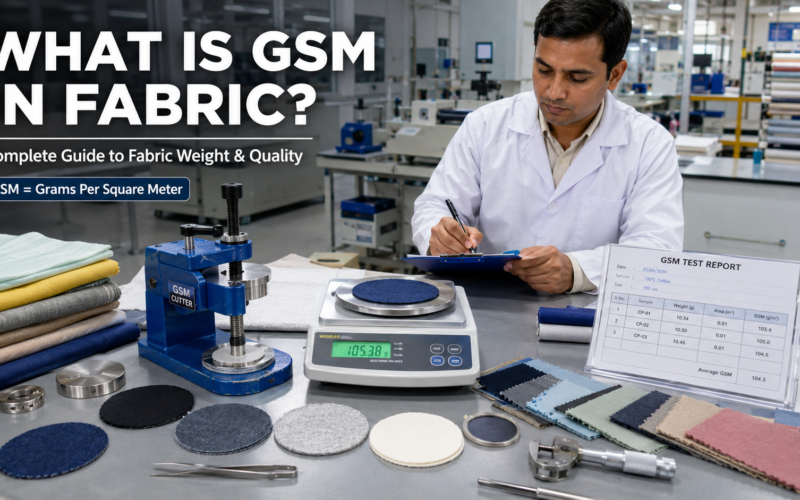
What Is GSM in Fabric A Friendly Guide to Fabric Weight

Welcome to our guide on material density. Knowing What Is GSM in Fabric is key for sewing or fashion projects. This measurement guides your creative path. It affects how a garment looks, feels, and lasts. What Is GSM in Fabric? Learning to read these specs lets you pick the best fabrics. Confidence comes from knowing your materials before starting. We aim to help you understand these standards well. Let’s see how this number improves your textile choices for quality pieces. Key Takeaways What Is GSM in Fabric? Let’s explore the key measurement in textiles. Whether you design clothes or sew at home, you’ve seen this term. It’s on labels and fabric bolts. Knowing this metric helps you choose better for your projects. It’s a way to talk about how heavy or light a material is. Defining the GSM Full Form in Textiles The gsm full form in textile is grams per square meter. It shows how much a square meter of fabric weighs.…

Read More →

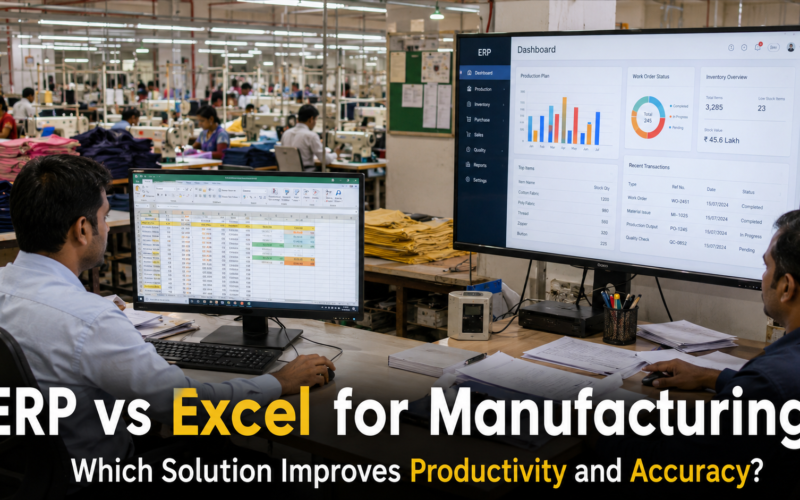
ERP vs Excel for Manufacturing: Which Is Best for You?

Starting with a spreadsheet feels natural. It’s easy to keep track of inventory or daily tasks at first. But, as our production grows, spreadsheets can’t keep up. This problem makes us question our digital strategy. We must choose between sticking with what we know or moving to a dedicated system. Choosing the right path affects our daily work and future growth. We aim to guide you in picking the best tool for your needs. Understanding the erp vs excel for manufacturing debate is key to a more efficient future for your team. Key Takeaways The Reality of Spreadsheet-Based Production Management Many of us start with spreadsheets because they’re easy to use. They’re free and don’t need special training. When we look at erp vs excel for production planning, spreadsheets seem better at first because they’re free and easy to get. Why We Start with Excel In the beginning, we just need to track materials and monitor output. Excel is great for this because it lets us create custom formulas and layouts. It fits our small-scale needs perfectly. Starting small means we can spend our money on equipment, not expensive systems. This makes spreadsheets a popular choice for new businesses. But, as we grow, Excel’s limitations become clear when compared to erp vs excel for production planning. The Hidden Costs of Manual Data Entry As we get more complex, updating spreadsheets takes a lot of time. We often don’t realize how much time is lost to data entry. This not only slows us down but also increases the chance of errors. Manual entry means we can’t see updates in real-time. This forces us to make decisions with old information, leading to inventory mistakes. The costs of keeping spreadsheets can add up, making erp vs excel for production planning a key choice for growing businesses. Understanding ERP vs Excel for Manufacturing First, we need to know the difference between simple spreadsheets and advanced management systems. Using familiar tools is okay, but knowing when to switch is key for success. Defining the Scope of Manufacturing Management Software…

Read More →
🛡

Industry Experience

Years of real manufacturing and trading experience

👥

Trusted by Professionals

Used by manufacturers, traders, merchandisers & students

Accurate Calculations

All tools are based on real industry formulas

🔄

Regular Updates

Tools & guides updated as per industry changes