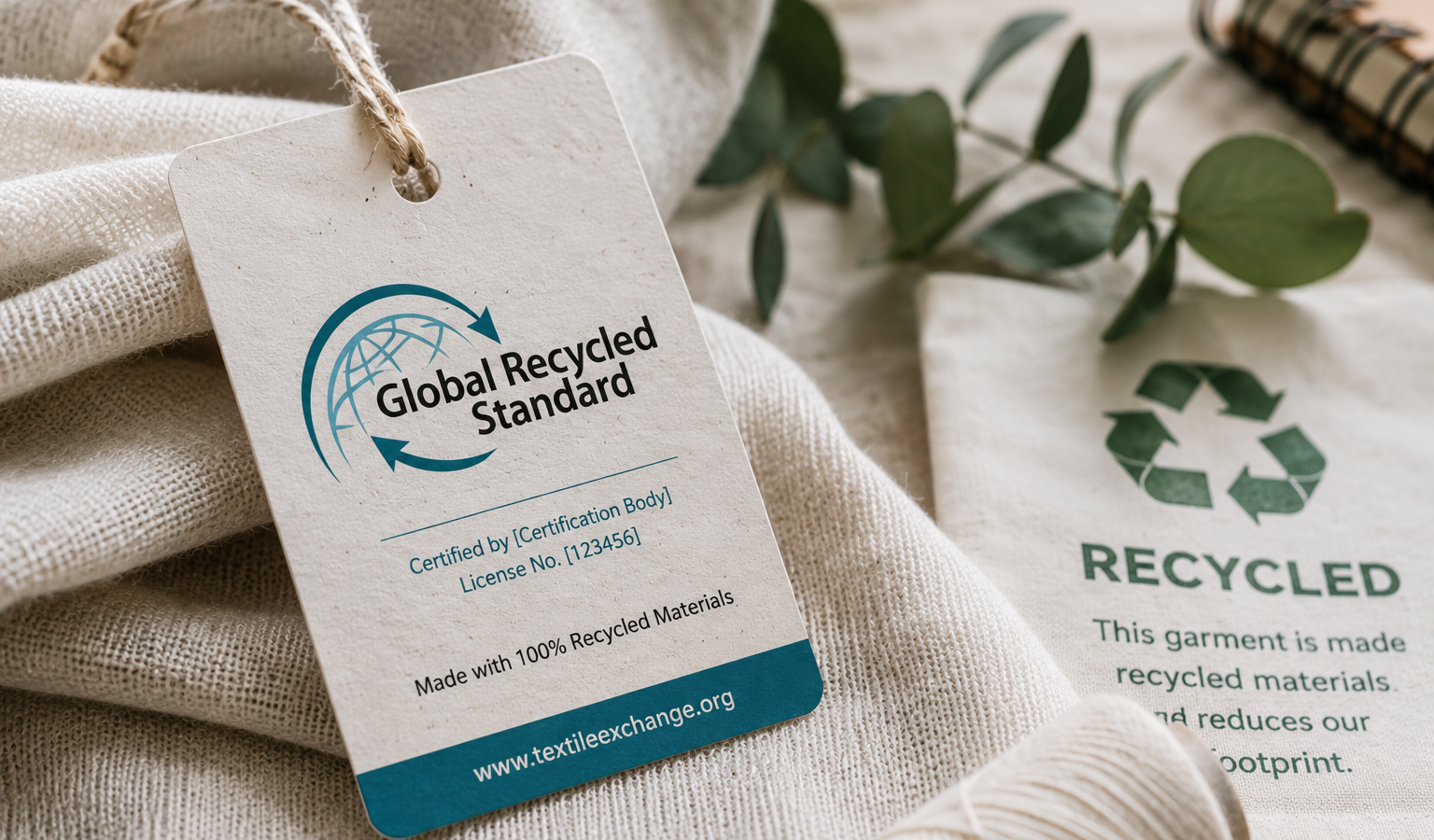
Navigating the path toward sustainable manufacturing in India requires a clear roadmap. Many businesses now seek to validate their eco-friendly practices to meet rising international demands. Our Global Recycled Standard resource offers the essential steps to help your company succeed in this competitive landscape.

GRS Certification Guide
Understanding the specific requirements and the overall assessment journey is vital for any exporter. By mastering these protocols, you can effectively market your recycled textiles to global buyers who prioritize transparency. This manual serves as your primary tool to ensure your operations align with rigorous environmental and social benchmarks.
Whether you produce finished items or specialized fabric, obtaining this status proves your commitment to a circular economy. We will walk you through the necessary phases to ensure your facility meets every standard with confidence.
Key Takeaways
- Learn the essential steps to validate sustainable manufacturing practices in India.
- Understand the core requirements needed to pass international audits successfully.
- Discover how to effectively market your recycled goods to global buyers.
- Gain clarity on the financial and operational investments required for compliance.
- Ensure your facility meets the high standards expected by modern supply chains.
Understanding the Global Recycled Standard (GRS)
Modern textile manufacturing in India is rapidly shifting toward circularity, anchored by the Global Recycled Standard. As brands and consumers demand more transparency, this framework provides the necessary tools to verify sustainable claims across the entire supply chain.

GRS certification and sustainable textile recycling
What is GRS Certification?
What is GRS certification? It is a comprehensive, voluntary product standard that tracks and verifies the content of recycled materials in a final product. This GRS certification goes beyond just the material itself by including strict social, environmental, and chemical requirements.
By implementing this standard, companies ensure that their production processes align with international best practices. It serves as a robust mechanism for businesses to prove their commitment to responsible manufacturing.
The Role of Recycled Textile Certification in Sustainable Fashion
The sustainable fashion industry relies heavily on verified data to combat greenwashing. Recycled textile certification acts as a bridge of trust between manufacturers and conscious consumers who prioritize ethical sourcing.
This certification encourages circular fashion by incentivizing the use of reclaimed materials. When a company earns its recycled fiber certification, it signals to the global market that it is actively reducing waste and lowering its carbon footprint.
Key Objectives of the GRS Standard Version
The current GRS standard version focuses on three primary pillars to ensure integrity in the market. First, it mandates rigorous textile recycling protocols to ensure that the input materials are truly recycled.
Second, it emphasizes the importance of chain of custody, ensuring that recycled content is tracked from the recycler to the final garment. Finally, the standard promotes safe chemical management, protecting both the workers and the environment from hazardous substances.
By adhering to these objectives, Indian manufacturers can confidently enter premium markets. This commitment to quality and transparency is essential for any business aiming to thrive in the modern sustainable fashion industry.
The GRS Certification Process: A Step-by-Step Guide
Understanding the GRS certification process step by step is essential for any textile manufacturer aiming for global sustainability standards. By following a structured approach, businesses can navigate the complexities of compliance with greater confidence and efficiency.
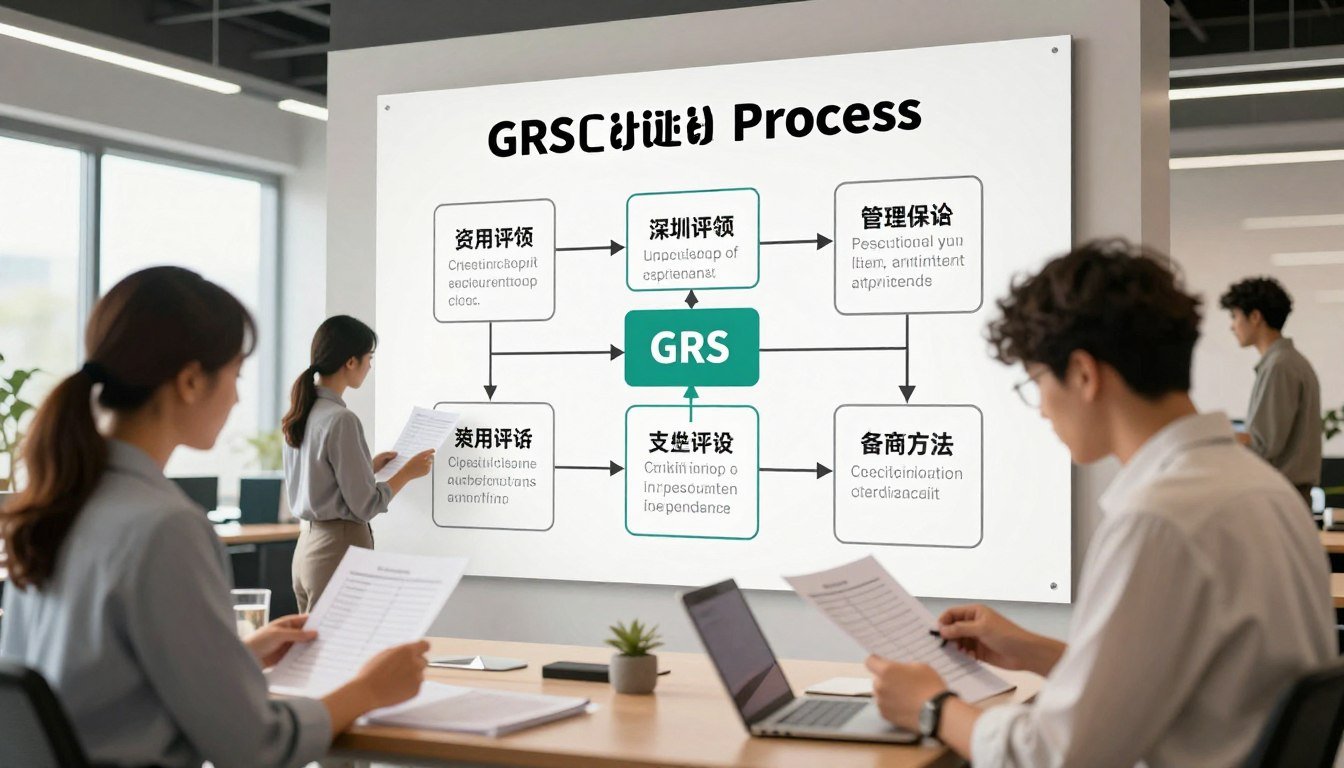
GRS certification process step by step
Initial Assessment and Application
The journey begins with a thorough self-assessment of your current production facilities. You must evaluate your supply chain to ensure that all recycled inputs meet the necessary criteria before submitting your formal application.
When you are ready to learn how to get GRS certification in India, the first step involves contacting an accredited certification body. They will provide you with an application form that requires detailed information about your facility, material sourcing, and chemical management practices.
Selecting a Certification Body
Choosing the right partner is a critical decision that impacts your entire experience. You should look for an organization that has extensive experience in textile auditing and a strong reputation within the Indian market.
“Preparation is the cornerstone of a successful audit; when a company understands its own supply chain, the certification process becomes a clear path toward excellence rather than a hurdle.”
— Industry Sustainability Consultant
Verify that the certification body is officially accredited to issue GRS certificates. A reliable partner will offer clear guidance on the documentation required and help you avoid common pitfalls during the initial review phase.
On-Site Auditing and Verification
Once your application is accepted, the auditor will schedule an on-site visit to verify your claims. This phase involves inspecting your production lines, reviewing material purchase records, and interviewing staff to ensure social compliance.
Many applicants often ask, how long does GRS certification take? While the timeline varies based on the size of your facility and the complexity of your supply chain, most businesses complete the process within three to six months.
| Phase | Key Activity | Estimated Duration |
| Application | Submission of documents | 2-4 Weeks |
| Audit | On-site verification | 1-2 Weeks |
| Review | Final report analysis | 4-8 Weeks |
| Certification | Issuance of certificate | 2-4 Weeks |
Proper preparation during the application phase is the most effective way to ensure a smooth verification experience. By maintaining organized records, you significantly reduce the time required for the final approval of your GRS certification.
Preparing for the GRS Audit Checklist
Navigating the GRS audit checklist is a vital step for any Indian textile manufacturer aiming for global recognition. This rigorous tool ensures that sustainable textile manufacturing practices are upheld consistently across your entire supply chain. By meeting these specific GRS certification requirements for textile manufacturers, you demonstrate a clear commitment to ethical and ecological production standards.
Environmental Compliance and Chemical Management
Your facility must demonstrate strict adherence to environmental regulations. This includes managing water consumption, energy usage, and waste disposal effectively. Environmental compliance is not merely about following local laws; it requires a proactive approach to reducing your ecological footprint.
Furthermore, chemical management is a critical component of the audit. You must maintain an inventory of all chemicals used in production and ensure they meet the restricted substance lists. Proper documentation of these substances is essential to pass the verification process successfully.
Social Compliance and Labor Practices
The GRS standard places a heavy emphasis on the well-being of your workforce. Social compliance requires that you provide a safe, healthy, and fair working environment for all employees. This includes strict policies against child labor, forced labor, and discrimination.
Auditors will review your payroll records, working hours, and safety training logs. Ensuring that your labor practices align with international human rights standards is a non-negotiable part of the certification journey. Transparency in these areas builds trust with global buyers.
Chain of Custody and Traceability Requirements
Maintaining a strict chain of custody is the backbone of the GRS standard. You must be able to track recycled materials from the point of collection to the final product. This ensures that the recycled content claims are accurate and verifiable.
“True sustainability is found in the details of your supply chain; if you cannot trace the origin of your materials, you cannot claim to be truly circular.”
You should implement robust systems to record every transaction and material movement. Without clear traceability, proving the integrity of your recycled inputs becomes impossible during the audit.
| Audit Category | Key Focus Area | Required Evidence |
| Environmental | Waste & Water | Usage logs & disposal permits |
| Chemicals | Safety & Compliance | Chemical inventory & MSDS |
| Social | Labor Rights | Payroll & safety training records |
| Traceability | Chain of Custody | Transaction certificates & invoices |
Navigating GRS Certification Costs in India
Navigating the financial landscape of GRS certification in India is a critical step for any business aiming for sustainability. Proper financial planning ensures that your company remains prepared for both initial expenses and long-term maintenance. By understanding the full scope of these investments, you can align your sustainability goals with your operational budget.
Factors Influencing GRS Certification Cost
The total GRS certification cost depends on several variables unique to your facility. The size of your manufacturing unit and the complexity of your supply chain are primary drivers of the final price. Larger facilities with multiple processing stages typically require more time for auditors to verify, which increases the overall investment.
Geographic location also plays a role in the total GRS certification cost in India. Travel expenses for auditors to reach remote manufacturing sites can add to the base fee. Additionally, the number of subcontractors involved in your production process will influence the depth of the audit required.
Budgeting for Audits and Annual Renewals
When asking, “How much does GRS certification cost?” it is important to look beyond the initial application fee. You must account for the professional fees charged by the certification body, which cover the document review and the on-site audit. These costs are often billed based on the number of man-days required to complete the assessment.
Do not forget to budget for annual renewal fees to maintain your status. These recurring costs ensure that your GRS certification remains valid and recognized in the global market. Consistent financial planning for these renewals prevents any lapse in your compliance status.
Hidden Costs in the Certification Journey
Many businesses overlook the internal costs associated with preparing for an audit. You may need to invest in staff training, software for better traceability, or physical upgrades to your facility to meet strict environmental standards. These hidden costs are essential for a smooth certification process.
Can small textile businesses get GRS certification? The answer is yes, provided they manage their resources effectively. Small businesses can reduce expenses by streamlining their documentation and focusing on a single, well-defined production line. By identifying these potential costs early, your company can avoid budget overruns and successfully achieve its sustainability targets.
Essential Documentation for Textile Manufacturers
Maintaining precise documentation is the backbone of any successful GRS certification audit in India. When you aim to prove your commitment to sustainability, your records serve as the primary evidence for auditors. By keeping your paperwork organized, you ensure that your facility meets all GRS certification requirements without unnecessary stress.
Scope Certificates and Transaction Certificates
The most critical documents in your portfolio are the Scope Certificate (SC) and the Transaction Certificate (TC). A Scope Certificate verifies that your facility is authorized to process specific recycled materials. Meanwhile, a Transaction Certificate acts as a verified proof of sale for every shipment of certified goods.
You must ensure that every recycled polyester supplier you work with provides valid TCs for every batch. Without these, your chain of custody remains incomplete. Always verify the validity of these certificates through the official database to avoid compliance gaps.
Material Sourcing and Supplier Declarations
Understanding what documents are required for GRS certification? often leads manufacturers to focus heavily on sourcing. You must clearly distinguish between post-consumer recycled materials and pre-consumer recycled materials in your inventory logs. Each category requires specific declarations from your suppliers to confirm the origin of the waste.
These declarations must be signed and dated to maintain high standards of textile quality management. If you source from multiple vendors, keep a centralized file for each supplier. This practice simplifies the verification process during your annual audit.
Production Records and Mass Balance Calculations
Effective textile compliance software can transform how you handle complex data. Many manufacturers now rely on a robust textile ERP to track material inputs and outputs in real-time. This digital approach is essential for performing accurate mass balance calculations, which prove that your output of recycled goods matches your input of certified raw materials.
Your production records should detail every stage of the manufacturing process. By automating these logs, you reduce the risk of human error and ensure total transparency. Below is a summary of the essential documentation you need to keep on file.
| Document Type | Purpose | Frequency |
| Scope Certificate | Verify facility authorization | Annual |
| Transaction Certificate | Trace material shipments | Per shipment |
| Supplier Declaration | Confirm material origin | Per batch |
| Mass Balance Log | Track input vs. output | Continuous |
GRS Certification for Different Segments of the Textile Industry
Achieving sustainability in the Indian textile industry requires a clear understanding of how GRS certification applies to your specific business model. Many stakeholders often ask, Who needs GRS certification? and Which products can be GRS certified? to ensure their operations align with global standards. By tailoring the approach to each segment, companies can ensure their GRS certified products are fully compliant and ready for international markets.
GRS Certification for Yarn Manufacturers
For those operating in the spinning sector, GRS certification for yarn manufacturers is essential to verify the recycled content of fibers. These facilities must maintain strict records of raw material inputs, such as recycled PET bottles or textile waste. Traceability is the cornerstone of this process, ensuring that every batch of yarn meets the required recycled percentage.
GRS Certification for Fabric Manufacturers
When it comes to weaving or knitting, GRS certification for fabric manufacturers focuses heavily on chemical management and environmental impact. Producers must ensure that their GRS certified fabric is processed using non-toxic chemicals and sustainable water management practices. This segment acts as a vital bridge between raw material suppliers and the final garment makers.
GRS Certification for Garment Exporters
Finally, GRS certification for garment exporters is the last step in the chain of custody. Exporters must prove that the finished apparel maintains the integrity of the recycled materials used throughout the production cycle. This certification provides confidence to global buyers that the final goods are ethically and sustainably produced.
| Industry Segment | Primary Focus Area | Key Compliance Requirement |
| Yarn Manufacturers | Fiber Sourcing | Recycled Content Verification |
| Fabric Manufacturers | Chemical Management | Processing Standards |
| Garment Exporters | Traceability | Social & Labor Practices |
| Textile Mills | Environmental Impact | Mass Balance Calculations |
Overall, GRS certification for textile mills and other segments creates a transparent ecosystem. By adhering to these specific requirements, Indian businesses can successfully scale their operations in the competitive global market.
Comparing GRS with Other Textile Sustainability Standards
Navigating the global market requires a clear understanding of how the Global Recycled Standard differs from other frameworks. For any Indian manufacturer, selecting the right textile sustainability certification is a vital step toward building a credible and eco-friendly brand. Each standard serves a unique purpose, and knowing these distinctions helps you align your production goals with international expectations.
GRS vs GOTS: Key Differences
The primary difference between GRS and GOTS lies in the core material focus. While the Global Recycled Standard centers on verifying recycled content, the Global Organic Textile Standard (GOTS) is dedicated to organic fibers like cotton or wool.
Choosing between GRS vs organic certification depends entirely on your raw material input. If your facility processes recycled polyester or nylon, GRS is the industry benchmark. Conversely, GOTS is the gold standard for organic textiles, ensuring strict environmental and social criteria for natural, non-recycled fibers.
GRS vs RCS Certification
When evaluating GRS vs RCS certification, it is important to note the depth of the requirements. The Recycled Claim Standard (RCS) is a simpler chain-of-custody tool that verifies the presence of recycled material in a product.
In contrast, the Global Recycled Standard is much more comprehensive. It includes not only the verification of recycled content but also strict requirements for social responsibility, environmental management, and chemical restrictions. Many brands prefer GRS because it provides a more holistic view of the supply chain.
GRS vs Oeko-Tex and Bluesign
Comparing GRS vs Oeko-Tex and GRS vs Bluesign highlights a shift from material content to chemical safety. Oeko-Tex and Bluesign focus primarily on the safety of the final product and the chemical inputs used during manufacturing.
These standards ensure that textiles are free from harmful substances, which is essential for consumer health. While GRS focuses on the origin and sustainability of the material, Oeko-Tex and Bluesign act as a safety net for chemical management. Many leading exporters in India choose to combine these certifications to offer a complete package of safety and sustainability.
| Standard | Primary Focus | Key Strength |
| GRS | Recycled Content | Social & Environmental Audit |
| GOTS | Organic Fibers | Strict Organic Integrity |
| RCS | Recycled Content | Chain of Custody Tracking |
| Oeko-Tex | Chemical Safety | Consumer Health Protection |
Ultimately, selecting the right sustainable textile certification depends on your specific product line and market requirements. By understanding these differences, you can better position your business to meet the growing global demand for responsible manufacturing.
Maintaining Compliance and GRS Certification Validity
Sustaining your GRS status is a continuous journey that demands attention to detail and transparency. While the initial audit is a significant milestone, maintaining your GRS certification requires an ongoing commitment to the standards set by the Textile Exchange. By staying proactive, you ensure that your business remains a trusted partner in the global sustainable fashion market.
Understanding GRS Certification Validity Periods
It is important to note that your GRS certification validity lasts for exactly one year from the date of issuance. To avoid any gaps in your status, you must initiate the renewal process well before the expiration date. Planning ahead is the best way to ensure your operations continue without interruption.
Annual Surveillance Audits
You might ask, how often is a GRS audit conducted? The answer is that a full audit occurs annually to verify that your facility still meets all requirements. These surveillance audits focus on your current production records, chemical management, and social labor practices.
During these visits, auditors will review your documentation to confirm that your textile compliance remains at the highest level. Being prepared with organized records makes this process much smoother for your team. Remember, these audits are not just a formality; they are a vital check to ensure your processes have not drifted from the standard.
Managing Supply Chain Transparency and Traceability
Although is GRS certification mandatory? The answer is technically no, as it is a voluntary standard. However, many major global retailers now treat it as a requirement for doing business. They prioritize suppliers who can prove supply chain transparency through rigorous documentation.
Effective textile traceability is the backbone of your certification. You must maintain clear records of every material input and output to ensure full supply chain traceability throughout your facility. By keeping these systems robust, you protect your reputation and secure your place in the competitive Indian textile industry.
Benefits of GRS Certification for Indian Exporters
For Indian textile manufacturers, obtaining GRS certification is more than just a badge; it is a strategic gateway to international success. As the global fashion industry shifts toward circularity, Indian businesses that prioritize transparency gain a distinct edge. Understanding what are the benefits of GRS certification? helps companies align their operations with the rigorous expectations of modern global buyers.
Meeting Global Demand for Recycled Polyester
The appetite for GRS certified recycled polyester is growing rapidly across Europe and North America. Brands are actively seeking suppliers who can prove the origin and integrity of their materials. By securing recycled polyester certification, Indian exporters can confidently fulfill these large-scale orders while ensuring full supply chain transparency.
This certification acts as a guarantee that the materials used are genuinely recycled and processed responsibly. It allows manufacturers to:
- Provide verifiable proof of recycled content to international clients.
- Reduce reliance on virgin synthetic materials.
- Strengthen their position as reliable partners for eco-friendly textiles.
Enhancing Brand Reputation and ESG Goals
Integrating ESG in the textile industry has become a non-negotiable requirement for companies aiming to attract global investment. GRS certification serves as a powerful tool to demonstrate a firm commitment to environmental and social responsibility. When a company is GRS certified, it signals to stakeholders that it adheres to strict ethical standards.
This commitment helps businesses improve their public image and build long-term trust with consumers. By focusing on sustainable apparel manufacturing, Indian exporters can effectively communicate their values. This proactive approach to textile export compliance ensures that the brand remains resilient against changing regulations and consumer preferences.
Accessing Premium Markets for Sustainable Apparel
Entering high-value markets requires more than just quality products; it requires proof of sustainability. Sustainable apparel brands in premium segments often mandate that their entire supply chain holds relevant certifications. Having the right credentials allows Indian exporters to bypass entry barriers and compete for lucrative contracts.
The advantages of this certification include:
- Higher profit margins by supplying eco-friendly textiles to premium brands.
- Long-term partnerships with global retailers committed to sustainable apparel.
- Improved textile export compliance, which simplifies the customs and auditing process.
Ultimately, investing in recycled polyester certification is a forward-thinking move. It positions Indian manufacturers at the forefront of the ESG in the textile industry, ensuring they remain competitive in a world that increasingly values ethical and sustainable production.
Conclusion
Securing Global Recycled Standard certification marks a major turning point for textile businesses across India. This achievement signals to the world that your operations prioritize ethical production and environmental stewardship.
Your journey toward sustainability creates lasting value for your brand. It opens doors to premium international markets that demand high levels of transparency. Buyers now seek partners who prove their commitment through rigorous third-party verification.
Take the initiative to align your production cycles with these global benchmarks today. Small changes in your supply chain lead to significant impacts on the planet. Your dedication to circularity helps define the next era of responsible manufacturing.
Share your progress with your partners and clients to inspire others in the industry. We invite you to lead by example as you implement these standards. Your efforts contribute to a cleaner, more accountable future for the entire textile sector.
FAQ
What is GRS certification?
The Global Recycled Standard (GRS) is a holistic international, voluntary, and full product standard that sets requirements for third-party certification of recycled content. Beyond just tracking materials, it encompasses a strict chain of custody, social and environmental practices, and chemical restrictions. By obtaining this recycled textile certification, companies prove their commitment to sustainable textile manufacturing and the principles of circular fashion.
How to get GRS certification in India?
To begin the GRS certification process in India, you first need to select an accredited certification body such as Control Union or Intertek. The process involves an initial application, a comprehensive documentation review, and an on-site textile auditing session to verify that your facility meets the GRS certification requirements. Once the audit is successful and any non-conformities are resolved, you will be issued a Scope Certificate (SC).
How long does GRS certification take?
Generally, the GRS certification process step by step takes anywhere from 6 to 12 weeks. This timeline depends on the complexity of your supply chain, the readiness of your textile quality management systems, and the availability of the certification body. Preparing your GRS audit checklist in advance can significantly speed up the verification phase.
How much does GRS certification cost?
The GRS certification cost in India varies based on the size of the facility, the number of employees, and the complexity of the production processes. Typically, expenses include the certification body’s application fee, auditor travel expenses, and an annual renewal fee. While the GRS certification cost can be a significant investment for a recycled polyester supplier, it is often offset by the increased market value of GRS certified products.
What are the benefits of GRS certification?
There are numerous benefits of GRS certification, including enhanced brand reputation and the ability to meet global demand for sustainable apparel. It helps Indian exporters align with ESG in the textile industry, provides a competitive edge in international markets, and ensures textile export compliance. Furthermore, it guarantees that your GRS certified recycled polyester meets high ecological and social standards.
Which products can be GRS certified?
Any product containing at least 20% recycled material can be certified under the Global Recycled Standard. This includes GRS certified fabric, yarns, garments, and even plastic accessories. However, to use the GRS logo on consumer-facing packaging, the product must contain at least 50% recycled content, such as post-consumer recycled materials or pre-consumer recycled materials.
How often is a GRS audit conducted?
To maintain GRS certification validity, an annual surveillance audit is mandatory. This ensures that the facility continues to uphold environmental compliance, social compliance, and strict chemical management protocols. Consistent supply chain traceability is key to passing these yearly inspections smoothly.
What documents are required for GRS certification?
The documents required for GRS certification include Scope Certificates (SC) for all suppliers, Transaction Certificates (TC) for every shipment of recycled material, and detailed production records. You will also need to provide mass balance calculations and supplier declarations. Many manufacturers use textile compliance software or a specialized textile ERP to manage these records and ensure full textile traceability.
Can small textile businesses get GRS certification?
Yes, small textile businesses can absolutely get certified! While the GRS certification requirements for textile manufacturers are rigorous, the standard is designed to be accessible to any size of operation committed to sustainable fashion. Smaller companies often find that the certification opens doors to premium global brands like Patagonia or H&M that prioritize eco-friendly textiles.
Is GRS certification mandatory?
Technically, GRS is a voluntary standard. However, it is increasingly treated as mandatory by major international retailers and brands who require supply chain transparency. For any business looking to lead in sustainable apparel manufacturing, having this certification is a vital tool for market entry and consumer trust.
Who needs GRS certification?
Anyone in the textile supply chain—including yarn manufacturers, fabric manufacturers, textile mills, and garment exporters—who wants to claim their products are recycled should seek certification. It is essential for those who want to verify their recycled fiber certification claims and provide a verified chain of custody to their customers.
What is the difference between GRS and GOTS?
The primary difference between GRS and GOTS is the material focus. GRS vs GOTS compares a recycled material standard to an organic fiber standard. GOTS (Global Organic Textile Standard) focuses on organic natural fibers, while GRS focuses on verifying recycled content and includes requirements for social and environmental processing for both synthetic and natural recycled fibers.
GRS vs RCS certification: what is the main difference?
When comparing GRS vs RCS certification, the Recycled Claim Standard (RCS) only verifies the presence of recycled material in a product. The GRS goes much further by adding strict requirements for social compliance, environmental compliance, and chemical management, making it the more comprehensive textile sustainability certification.
GRS vs Oeko-Tex and Bluesign?
In the debate of GRS vs Oeko-Tex or GRS vs Bluesign, the focus shifts toward safety and chemistry. Oeko-Tex and Bluesign primarily focus on harmful substances and chemical safety for the end-user and the environment. While GRS also has chemical restrictions, its core purpose is to validate the percentage of recycled content and ensure the circular fashion loop is closed ethically.
Leave a Reply