The COVID-19 pandemic changed the world in ways few could have imagined. Industries came to a standstill, global supply chains collapsed, and economies faced unprecedented challenges. Yet amid this uncertainty, one segment of the textile industry emerged as a remarkable success story: healthcare technical textiles.
Before the pandemic, technical textiles were often viewed as a niche sector within the broader textile industry. While experts understood their importance, they rarely received the same attention as apparel, fashion, or home textiles. COVID-19 changed that perception overnight.
The sudden global demand for personal protective equipment (PPE), face masks, medical gowns, protective fabrics, and healthcare products demonstrated the strategic importance of technical textiles. Countries around the world struggled to secure supplies, exposing vulnerabilities in international supply chains. India, which initially relied heavily on imports for critical healthcare textile products, quickly transformed itself into one of the world’s leading manufacturers and exporters of PPE kits and masks.
This transformation not only helped India combat the health crisis but also highlighted the enormous potential of healthcare technical textiles as a long-term growth driver for the country’s textile sector.
Understanding Technical Textiles
Technical textiles refer to textile products manufactured primarily for their functional properties rather than their aesthetic appeal.
Unlike conventional textiles used for clothing and decoration, technical textiles are engineered to perform specific functions such as protection, filtration, insulation, reinforcement, medical support, and safety.
These textiles are used across numerous industries, including:
- Healthcare
- Agriculture
- Construction
- Automotive
- Defense
- Sports
- Infrastructure
- Transportation
- Packaging
- Environmental protection
The healthcare segment, often referred to as Meditech, has emerged as one of the fastest-growing categories within technical textiles.
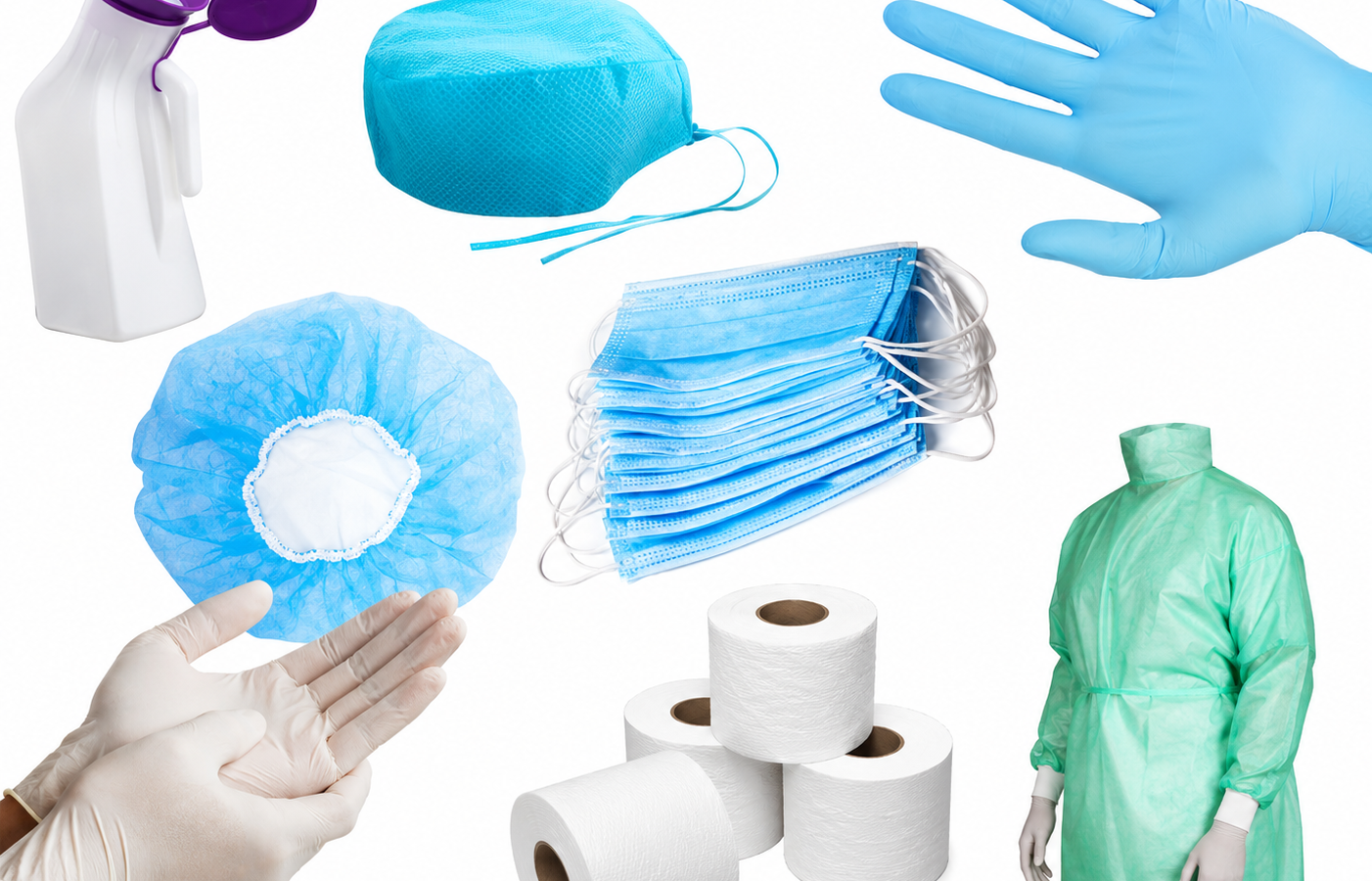
Medical textiles include:
- Surgical gowns
- PPE kits
- Face masks
- N95 respirators
- Medical drapes
- Bandages
- Wound care products
- Disposable caps
- Shoe covers
- Gloves
- Hospital bedding
- Implantable textile materials
The pandemic significantly increased awareness and demand for these products worldwide.
India’s Remarkable PPE Success Story
One of the most inspiring industrial success stories during the pandemic was India’s rapid expansion of PPE manufacturing.
At the beginning of 2020, India was almost entirely dependent on imports for PPE kits. Domestic production capacity was virtually non-existent. When international supply chains were disrupted, the country faced an urgent need to establish local manufacturing capabilities.
What followed was extraordinary.
Within just a few months, Indian manufacturers rapidly adapted their production facilities, developed new supply chains, obtained certifications, and scaled manufacturing operations.
India progressed from producing almost no PPE kits to manufacturing hundreds of thousands every day. This rapid response enabled the country not only to meet domestic demand but also to become one of the world’s largest producers of protective equipment.
The achievement demonstrated the adaptability, resilience, and innovation capabilities of India’s textile sector.
Why Healthcare Technical Textiles Matter
The pandemic revealed that healthcare textiles are not merely industrial products. They are essential infrastructure for public health and national security.
Every healthcare system depends on reliable access to protective textile products.
Doctors, nurses, laboratory staff, emergency responders, and frontline workers require high-performance protective equipment to safely perform their duties.
Healthcare textiles provide:
Protection Against Infection
Face masks, gowns, gloves, and protective suits create barriers that reduce the transmission of infectious diseases.
Improved Patient Care
Medical textiles support wound healing, hygiene management, and patient comfort.
Hospital Safety
Specialized fabrics help maintain sterile environments and reduce contamination risks.
Emergency Preparedness
A strong domestic healthcare textile industry enables faster responses during health crises and pandemics.
As governments worldwide prioritize healthcare preparedness, demand for medical textiles is expected to remain strong for years to come.
India’s Competitive Advantages
India possesses several natural advantages that position it as a global leader in healthcare technical textiles.
Strong Raw Material Base
India is one of the world’s largest producers of:
- Cotton
- Polyester
- Viscose
- Silk
- Jute
This abundant raw material availability provides manufacturers with reliable access to inputs.
Established Textile Ecosystem
The country already has a vast textile value chain covering:
- Fiber production
- Yarn manufacturing
- Fabric production
- Processing
- Garment manufacturing
- Export logistics
This integrated ecosystem enables faster production and scalability.
Skilled Workforce
India’s textile industry employs millions of workers with extensive manufacturing expertise.
Competitive Manufacturing Costs
Compared with many developed countries, India offers cost-effective production without compromising quality.
Growing Innovation Capabilities
Increasing investments in research and development are helping Indian companies produce advanced technical textile products that meet global standards.
Government Support Driving Growth
Recognizing the strategic importance of technical textiles, the Government of India has introduced several initiatives to accelerate sector growth.
One of the most significant steps was the launch of the National Technical Textiles Mission. The mission aims to position India as a global hub for technical textile manufacturing through investments in research, innovation, infrastructure, and skill development.
Additional government support includes:
100% FDI Under Automatic Route
Foreign companies can invest freely in the sector, encouraging technology transfer and global partnerships.
Centers of Excellence
Dedicated research centers focus on innovation and product development.
Integrated Textile Parks
Modern industrial infrastructure helps manufacturers scale operations efficiently.
Technology Upgradation Schemes
Financial support encourages adoption of advanced machinery and manufacturing processes.
Public Procurement Initiatives
Government agencies are increasingly incorporating technical textiles into infrastructure and healthcare projects.
These measures are creating a favorable environment for long-term industry growth.
Global Market Outlook
The future of technical textiles appears highly promising.
Worldwide demand continues to rise due to:
- Growing healthcare spending
- Aging populations
- Increased hygiene awareness
- Infrastructure development
- Industrial modernization
- Environmental concerns
Healthcare technical textiles are expected to be among the fastest-growing segments globally.
Several trends support this growth:
Preventive Healthcare
Consumers are becoming more conscious about health and hygiene products.
Hospital Expansion
Many countries are investing heavily in healthcare infrastructure.
Infection Control Standards
Healthcare facilities now require stricter infection prevention measures.
Population Growth
Rising populations increase demand for medical services and healthcare products.
Emerging Markets
Developing countries are expanding healthcare access, creating new demand opportunities.
For Indian manufacturers, these trends present substantial export opportunities.
Beyond PPE: The Future of Medical Textiles
While PPE kits and masks dominated headlines during the pandemic, the future of healthcare textiles extends far beyond these products.
Emerging areas include:
Smart Medical Textiles
Textiles integrated with sensors that monitor patient health in real time.
Antimicrobial Fabrics
Specialized materials that inhibit bacterial and viral growth.
Advanced Wound Care Products
Innovative textile solutions that accelerate healing.
Implantable Textiles
Medical-grade textile materials used in surgical procedures.
Compression Garments
Products designed to improve circulation and support rehabilitation.
Healthcare Furniture Fabrics
Specialized hospital bedding and upholstery materials with antimicrobial properties.
These high-value products offer significantly greater profit margins than conventional textile products.
Opportunities Created by Vaccination Programs
Mass vaccination campaigns introduced additional demand for healthcare technical textiles.
Vaccination efforts require extensive support infrastructure, including:
- Protective clothing
- Medical packaging
- Storage solutions
- Transportation materials
- Disposable healthcare products
Even as vaccination rates increase, healthcare systems continue to maintain high safety standards.
As a result, demand for medical textile products remains strong.
Face Masks: A Permanent Market?
Before 2020, face masks were primarily used in healthcare settings. Today, they have become a common part of everyday life in many regions.
Although pandemic restrictions have eased, several factors suggest continued demand:
Increased Health Awareness
Consumers are more conscious of respiratory protection.
Pollution Concerns
Urban populations increasingly use masks for air quality protection.
Workplace Safety
Many industries continue requiring protective equipment.
Travel Requirements
Masks remain common in healthcare facilities and transportation hubs.
This sustained demand creates ongoing opportunities for manufacturers.
Challenges Facing the Sector
Despite its impressive growth, India’s healthcare technical textile sector faces several challenges.
Limited Domestic Consumption
Technical textile consumption remains relatively low compared to developed nations.
Technology Gaps
Certain advanced products still rely on imported technologies.
Certification Requirements
Global markets demand strict compliance with international quality standards.
Research Investment
Continuous innovation is necessary to remain competitive.
Competition from Global Players
Countries such as China, Germany, Japan, and the United States continue to dominate high-value technical textile segments.
Addressing these challenges will require sustained investment in technology, education, and research.
Sustainability and Healthcare Textiles
Sustainability is becoming increasingly important in healthcare manufacturing.
Future growth will depend on balancing safety requirements with environmental responsibility.
Key focus areas include:
- Recyclable medical textiles
- Biodegradable protective products
- Sustainable manufacturing processes
- Reduced waste generation
- Energy-efficient production
Companies that successfully combine performance and sustainability are likely to gain a competitive advantage.
The Road Ahead for India
India’s success during the pandemic proved that the country can rapidly build world-class manufacturing capabilities when necessary.
The healthcare technical textile sector now stands at a crucial turning point.
With strong government support, abundant raw materials, skilled labor, and growing international demand, India has the potential to become a global leader in healthcare textiles.
However, sustained success will depend on:
- Continued innovation
- Investment in advanced technologies
- Strong quality standards
- Export market expansion
- Research-driven product development
The opportunity extends far beyond masks and PPE kits. The future lies in high-value, technology-driven healthcare textile solutions that serve global medical markets.
Conclusion
The COVID-19 pandemic highlighted the critical role healthcare technical textiles play in protecting lives and supporting healthcare systems. What began as a crisis evolved into an opportunity that transformed India’s technical textile sector.
From becoming a leading PPE manufacturer to expanding exports and attracting investment, India demonstrated remarkable resilience and adaptability.
As global healthcare needs continue to grow, healthcare technical textiles are poised to become one of the most important segments of the textile industry. With strategic planning, innovation, and government support, India can leverage this momentum to establish itself as a global powerhouse in technical textiles.
The coming decade may well be remembered as the period when healthcare technical textiles moved from a specialized niche to a central pillar of India’s textile growth story.
Leave a Reply