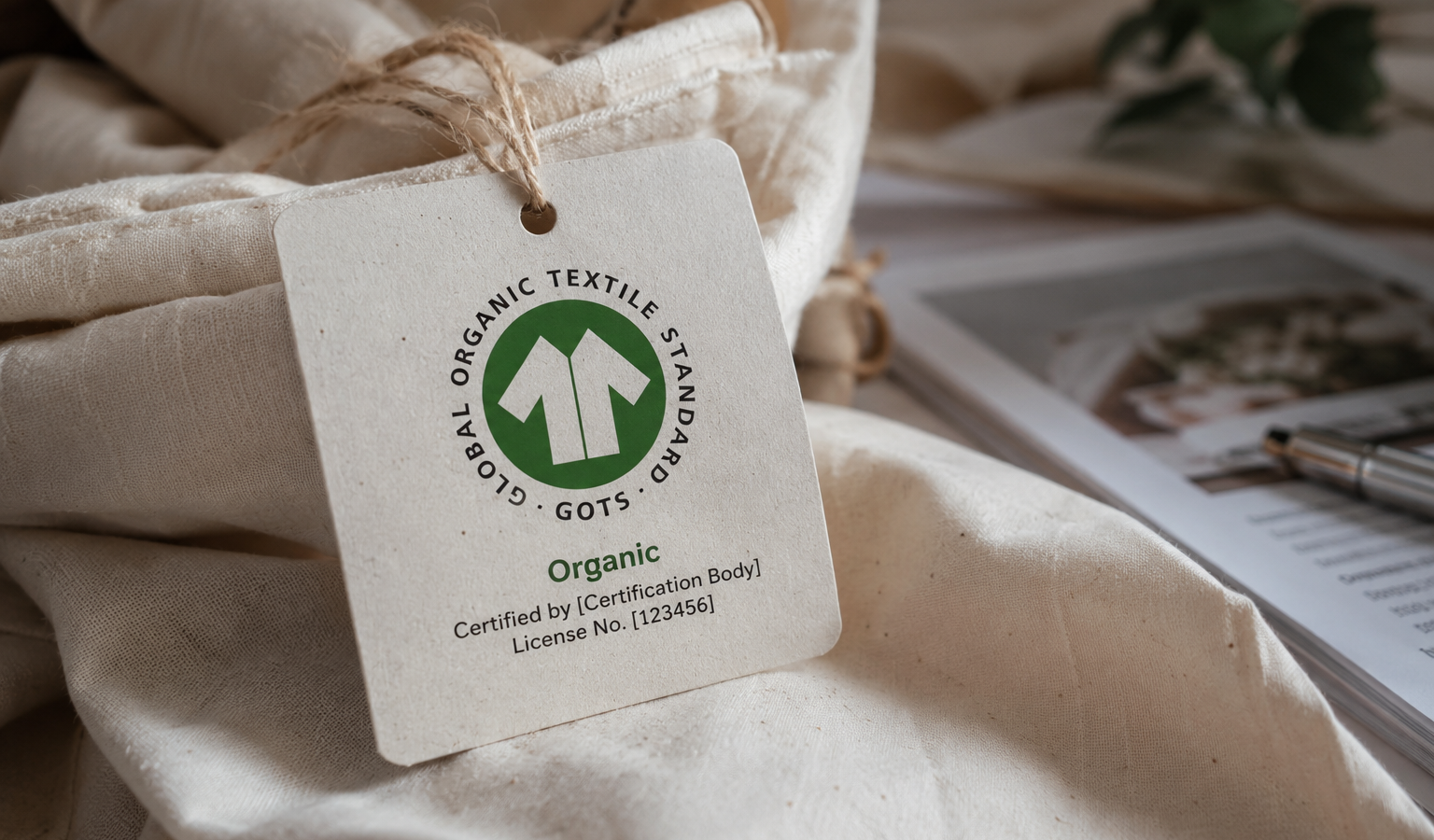
Entering the world of sustainable manufacturing can be daunting for many. If you want to boost your brand, this GOTS Certification Guide offers a clear path. Getting this certification shows your dedication to the environment and meets global standards.
Many wonder how to get gots certification without affecting their work. This guide is for everyone, from small workshops to big exporters. It makes complex rules easy to follow for all.

GOTS Certification Guide
If you’re in India, knowing how to get gots certification in india is key. By following these steps, you can make your way to compliance easier. We’re here to guide you through gots certification in india with confidence.
Key Takeaways
- Understand the fundamental requirements for organic textile compliance.
- Learn the step-by-step process to achieve international recognition.
- Discover how to simplify complex regulatory hurdles for your business.
- Gain a competitive edge in the growing Indian sustainable market.
- Ensure your production methods meet global environmental standards.
Understanding the Global Organic Textile Standard (GOTS)
The Global Organic Textile Standard is the top standard for making sustainable fabrics worldwide. It gives a clear guide for companies to show they care about the planet and people. By following these strict rules, businesses can make sure their products are the best globally.

global organic textile standard
What is GOTS Certification?
What is GOTS certification? It’s a detailed standard for organic fiber textiles. It covers the whole process, from getting raw materials to labeling. This ensures everything is done right for the environment and society.
When a company gets gots certified, it tells customers the product is truly organic. This is key to stand out in a busy market. It shows their products are different from non-organic ones.
The Importance of Sustainable Textile Certification
Getting a sustainable textile certification is now a must for exporters. Today’s shoppers want to know their brands are honest and fair. This certification lets businesses meet these high standards.
This standard also helps companies be kinder to the Earth. It requires safe chemicals and smart water use. These steps help protect our planet and the people making the products.
Scope of GOTS Standard Version 7.0
The GOTS standard version 7.0 is the latest in textile rules. It has strict rules for every step, from starting with fibers to selling the finished goods. This update helps the industry face today’s environmental issues.
So, which products can be gots certified? Most textile items with at least 70% organic fibers can get this label. This includes clothes, home goods, or yarns. The gots standard version 7.0 guides you to follow rules and succeed in the market.
Benefits of GOTS Certification for Your Business
Getting gots certification is a smart choice for any Indian textile business wanting to grow globally. This standard boosts your business, making it easier to succeed in the international market.

gots certification for exporters
Enhancing Market Access for Textile Exporters
Gots certification for exporters is crucial for Indian manufacturers. It opens doors to top markets in Europe and North America. Big retailers there look for suppliers with this certification.
Having this textile export certification gives your business a big edge. It shows you meet the high standards needed for top retail spots.
Building Trust with Certified Organic Fabric
Today’s shoppers care a lot about where their clothes come from. Using gots certified fabric lets you be open about your products’ origins.
“Sustainability is no longer a luxury; it is the foundation of modern business integrity and long-term consumer loyalty.”
Choosing certified organic fabric creates trust with your customers. It shows your brand is committed to quality. This makes your products stand out and proves they are both ethical and real.
Meeting Global Environmental and Social Compliance
Following these standards means your company meets tough environmental compliance rules. This forward-thinking approach to textile compliance reduces risks. It keeps your supply chain strong against new rules.
This certification also shows you care about fair labor. By choosing gots certified methods, you show you’re serious about social responsibility. This approach boosts your brand’s image. It also makes you a leader in sustainable textiles.
GOTS Certification Requirements for Manufacturers and Exporters
If you want to grow your textile business, getting gots certification is key. This standard checks if textiles are truly organic, from start to finish. Knowing who can apply for gots certification? is the first step for businesses in India looking to go global.
Gots certification for textile manufacturers is for anyone involved in organic textiles. This includes spinning mills, weaving units, and garment factories. You must follow strict ecological and social rules. This shows your commitment to sustainability and quality.
Organic Cotton Certification and Raw Material Sourcing
The heart of the standard is organic cotton certification. Manufacturers must use raw materials that meet international organic farming standards. This means no toxic pesticides or synthetic fertilizers are used.
Keeping track of where your materials come from is crucial. You need to have detailed records from the farm to your factory. Having a clear paper trail is key to passing audits and keeping your supply chain open.
Eco-friendly Textile Manufacturing Standards
The standard also focuses on eco-friendly textile manufacturing. It controls chemical use strictly. All dyes, chemicals, and additives must be safe for the environment and people.
Also, manufacturers must handle waste well. This means treating wastewater to high standards before releasing it. This not only meets rules but also makes your production better.
Social Compliance and Labor Requirements
The gots certification requirements for garment manufacturers also cover social aspects. Facilities must follow the International Labour Organization (ILO) principles. This ensures workers are treated fairly and with respect.
Important labor rules include no child labor, safe work conditions, and fair pay. Employers must also limit work hours and allow collective bargaining. These rules make workplaces safer and more ethical.
| Compliance Area | Key Focus | Manufacturer Goal | Audit Priority |
| Raw Materials | Organic Integrity | Verify Certification | High |
| Chemicals | Toxicology | Use Approved Inputs | High |
| Labor | Human Rights | Ensure Fair Wages | Critical |
The GOTS Certification Process Step by Step
Starting the gots certification process is a big step for textile businesses in India. It’s a journey to meet global standards for organic production. You need to plan well and be open at every step.
Initial Application and Documentation
The first step is to apply to a recognized certification body. You’ll need to share details about your production, chemicals, and social policies. Get your paperwork ready early to avoid delays.
Selecting an Approved Certification Body
Finding the right partner is key when getting gots certification. Look for an auditor familiar with the Indian market and your products. A good auditor will help you through the gots certification process step by step.
On-site Inspection and Supply Chain Traceability
After checking your documents, an auditor will visit your facility. They’ll focus on supply chain traceability. This means tracking every fiber from farm to garment. You must show that you keep organic materials separate from non-organic ones.
Final Review and Issuance of the Scope Certificate
After the inspection, the body reviews everything again. If you pass, they’ll give you a Scope Certificate. This proves you meet the standards. Many wonder, how long does gots certification take? It usually takes three to six months for well-prepared businesses.
Preparing for the GOTS Audit Checklist
Starting your certification journey well means having a detailed gots audit checklist for your operations. Organizing your facility ahead of time reduces stress. It also makes sure every department is ready for the inspector’s visit. Being proactive shows your commitment to sustainable practices.
Documents Required for GOTS Certification
Many ask, what documents are required for gots certification? The key is a clear and traceable supply chain. You need detailed records of all raw material purchases. This includes transaction certificates for organic cotton.
You also must keep accurate logs for chemical inputs and processing aids. These documents required for gots certification prove your substances meet GOTS standards. Keeping these files up to date helps your auditor verify your compliance quickly.
Internal Auditing for Textile Quality Standards
Regular textile auditing in your facility is crucial. Mock inspections help you find and fix process gaps before the official audit. This ensures consistent textile quality standards in every manufacturing stage.
Internal reviews should check both environmental and social compliance. A team familiar with these checks can maintain certification better. This continuous improvement is key for success in organic textiles.
Common Non-conformities to Avoid
Even well-prepared businesses face audit challenges. Common issues include missing documents or poor material segregation. Make sure storage areas are clearly marked to avoid contamination.
Another common mistake is not showing social compliance evidence, like wage records or safety training logs. Fixing these areas early can prevent delays in certification. Use the table below to check your readiness in key areas.
| Audit Area | Key Focus | Action Required |
| Chemical Management | Input Approval | Verify MSDS and GOTS approval |
| Supply Chain | Traceability | Maintain transaction certificates |
| Social Compliance | Labor Standards | Update payroll and safety logs |
| Production | Segregation | Label organic vs. conventional |
GOTS Certification Cost in India and Budgeting
Knowing the cost of GOTS certification is crucial for your success. Managing the gots certification cost in india well helps you meet your sustainability goals without breaking the bank. Start early to avoid surprises and make the process smoother.
Factors Influencing Certification Fees
Ever wondered, how much does gots certification cost? The price varies because it depends on your facility’s specifics. Larger places with complex supply chains usually pay more due to longer audits.
The complexity of your production also matters. For example, a place that spins, weaves, and dyes needs a detailed check. Auditors must inspect each step to ensure organic fibers are kept intact.
Budgeting for Annual Surveillance Audits
Certification isn’t just a one-time thing; it needs ongoing care. Plan for annual audits in your budget to keep your certification. These audits check if your facility still meets the Global Organic Textile Standard’s high standards.
It’s smart to save money for these audits. Treating them as regular expenses helps avoid financial stress. Staying compliant reduces the chance of costly follow-up visits.
Cost-Benefit Analysis for Small Textile Businesses
Many small businesses wonder, can small textile businesses get gots certification? The upfront cost might seem high, but the benefits last long. Getting certified opens doors to markets that value sustainable and ethical products.
Small businesses can stand out by showing they care about the environment and people. This label boosts your product’s value, allowing you to charge more. The table below shows what affects your total cost.
| Cost Driver | Impact on Budget | Management Strategy |
| Facility Size | High | Optimize floor space usage |
| Supply Chain Complexity | Medium | Streamline vendor documentation |
| Processing Steps | High | Consolidate production stages |
| Audit Frequency | Low | Maintain consistent records |
Navigating GOTS Approved Certification Bodies in India
Finding a trustworthy auditor is key. There are many gots approved certification bodies in india to help you. The right partner makes your path to sustainability smooth and follows global standards.
How to Choose the Right Auditor
Look for auditors with a good history in your textile area. Effective communication and knowing your production well are as crucial as the audit cost.
“Quality is never an accident; it is always the result of high intention, sincere effort, intelligent direction and skillful execution.”
— William A. Foster
Regional Expertise in Indian Textile Hubs
Many gots approved certification bodies in india have teams in big textile places like Tirupur, Ahmedabad, and Ludhiana. Choosing an auditor who knows the local scene saves on travel and time.
Local experts know the area’s labor and supply chain issues well. Their localized knowledge makes audits more efficient and accurate.
Verification of Certification Body Credentials
Always check your partner’s credentials before you sign. Make sure they are listed in the official GOTS database as accredited for your area.
Checking these credentials keeps your business safe from scams. It ensures your certificate is recognized worldwide. Relying on gots approved certification bodies in india that are fully accredited gives you the confidence to grow your brand.
GOTS Labeling Requirements and Compliance
When you sell gots certified products, your labels tell a story of integrity and care. Proper labeling is the last step in showing your commitment to sustainability. It connects your brand with customers who value quality and the environment.
Guidelines for On-Product Labeling
To stay compliant, follow strict gots labeling requirements for your textiles. Products labeled as “Organic” must have at least 95% organic fibers. If they have 70% to 94% organic content, they must say “Made with Organic” to avoid confusion.
The GOTS logo must always be shown with the license number of the certified entity. This lets consumers check the item’s authenticity in the official database. Consistency in placement and design is key for a professional look of your organic goods.
Ensuring Transparency in Organic Apparel Manufacturing
Transparency is key in organic apparel manufacturing. Clear labels build trust with your customers. They help shoppers see the journey of their clothes from farm to store.
Sharing details about your organic fabric production shows your commitment to ethics. It sets your business apart by proving your claims are verified. Make sure your marketing matches what’s on your labels.
Avoiding Misuse of the GOTS Logo
Misusing the GOTS logo can harm your brand and lead to legal issues. Never use it on products not fully certified. Also, don’t change the logo’s color, shape, or size, as it breaks the standard’s rules.
Regular audits help catch labeling mistakes before they hit the market. Being careful keeps your gots certified status and helps the organic textile industry’s credibility.
| Label Category | Organic Fiber Content | Logo Usage |
| Organic | 95% – 100% | Allowed |
| Made with Organic | 70% – 94% | Allowed |
| Non-Certified | Below 70% | Prohibited |
Comparing GOTS with Other Textile Standards
It’s key to know the differences between global textile standards for a sustainable fashion certification plan. Many look for long-tail keywords to find the right label for their products. Each certification has its own role in the market.
Difference Between GOTS and OEKO-TEX
The difference between GOTS and OEKO-TEX is often misunderstood. OEKO-TEX Standard 100 checks if textiles are safe from harmful substances. But it doesn’t require the fibers to be organic.
GOTS, on the other hand, looks at the whole supply chain. It checks from raw materials to how they’re processed. You might wonder, is GOTS certification mandatory? It’s not by law, but many retailers need it for ethical sourcing.
Difference Between GOTS and GRS Certification
People often ask about the difference between GOTS and GRS certification. GRS is for products made from recycled materials, like polyester or nylon.
GOTS is for organic fibers like cotton, wool, or linen. If you’re curious, what is the difference between GOTS and organic certification? GOTS ensures the organic status of fibers during manufacturing.
| Feature | GOTS | OEKO-TEX | GRS |
| Primary Focus | Organic Fiber & Ethics | Chemical Safety | Recycled Content |
| Supply Chain | Full Traceability | Product Testing | Full Traceability |
| Social Criteria | Strict Requirements | Limited | Strict Requirements |
Why GOTS Remains the Gold Standard for Organic Textiles
GOTS is seen as the gold standard for a reason. It looks at the whole journey of the textile, not just the final product.
- Environmental Integrity: It sets strict limits on toxic chemicals and water use.
- Social Responsibility: It ensures fair labor practices and safe working conditions.
- Traceability: Every step of production is documented and checked by auditors.
Choosing GOTS shows a deep commitment to the planet and people. This is what today’s consumers want from fashion.
Maintaining GOTS Certification Validity and Renewals
Keeping your gots certification validity up requires ongoing commitment to ethics. It’s not just about passing a test. It’s about making responsible choices every day. This keeps your brand trusted in the organic textile world.
How Often is the GOTS Audit Conducted?
Many wonder, how often is the gots audit conducted? To keep your certification, you need an annual on-site check. This yearly check makes sure you still meet the high standards.
The audit checks if your supply chain is open and follows the rules. Auditors look at your documents, how you make things, and what chemicals you use. Being ready all year makes the audit easier for your team.
Managing Annual Renewals and Updates
Handling annual renewals needs good organization and focus. Keep all your supplier certificates in one place. This avoids last-minute stress when renewal time comes.
It’s also key to know about any changes to the GOTS standard. When the standard changes, your policies must too. Training your staff on these updates keeps your operations in line with new rules.
Continuous Improvement in Textile Sustainability
True textile sustainability is more than just following rules. It’s about cutting down your environmental impact. Setting big goals shows your customers you care about the planet.
The table below shows the main parts of the annual audit cycle. It helps you stay on track:
| Audit Phase | Primary Focus | Action Required |
| Preparation | Documentation Review | Organize all supplier records |
| On-site Visit | Process Verification | Facilitate auditor access |
| Review | Compliance Check | Address any minor findings |
| Renewal | Certificate Issuance | Submit annual fees |
By following these steps, your business can grow while keeping high standards. Consistency is the key to success in the organic textile market.
Conclusion
Getting Global Organic Textile Standard certification shows you care about the planet and fair work. It makes your brand look good and meets the need for green clothes in India and worldwide.
Your focus on organic fibers and clear supply chains is a high standard. Following these strict rules makes you a leader in making clothes responsibly. This move benefits your business and the environment.
Getting and keeping your certification takes hard work and focus. Use what you’ve learned to make your audits easier and your green practices better. Every step you take helps make the textile world cleaner and fairer.
Start your application with your chosen certification body today. Tell your customers about your progress to build stronger bonds. Your dedication to green practices will make the textile industry better for everyone.
FAQ
What is GOTS certification?
The Global Organic Textile Standard (GOTS) is a top processing standard for organic textiles. It sets high environmental criteria for the entire supply chain. It also ensures social and labor standards are met. This means your fabric is truly organic, from start to finish, in an eco-friendly way.
How to get GOTS certification in India?
To get GOTS certification in India, first pick a GOTS approved body like Control Union or Ecocert. Then, apply, prepare documents, and get an on-site inspection. Once you meet all criteria, you’ll get your certificate.
Who can apply for GOTS certification?
Any textile business can apply. This includes manufacturers, processors, and exporters. Whether you handle ginning, spinning, or apparel making, you’re eligible.
How much does GOTS certification cost in India?
Costs vary based on your facility size and production complexity. You’ll pay for application, annual fees, and auditor travel. For small businesses, the benefits of premium markets outweigh the costs.
How long does GOTS certification take?
It takes 4 to 12 weeks. This depends on how fast you meet GOTS version 7.0 and schedule an auditor. Being organized can speed up the process.
Is GOTS certification mandatory?
GOTS is not mandatory by law. But, it’s needed for selling to big global retailers and eco-brands. Without it, you can’t label products as “GOTS certified” in many markets.
Which products can be GOTS certified?
Many products can be certified, like fabrics, clothes, and home textiles. They must have at least 70% organic fibers.
How often is the GOTS audit conducted?
GOTS audits are done annually. These checks ensure your facility meets the standard’s high environmental and quality standards.
What documents are required for GOTS certification?
You’ll need supply chain documents, chemical lists, wastewater logs, and social records. Having a complete checklist for the audit is key.
Can small textile businesses get GOTS certification?
Yes! Small businesses can get certified. GOTS helps them compete by offering certified organic fabrics to eco-conscious consumers.
What is the difference between GOTS and organic certification?
Organic certification focuses on farming. GOTS covers the whole production process after harvesting. It ensures the textile’s sustainability.
What is the difference between GOTS and OEKO-TEX?
GOTS ensures organic fibers and meets environmental and social goals. OEKO-TEX tests for safety, focusing on harmful substances in textiles. It doesn’t require organic fibers.
What is the difference between GOTS and GRS certification?
GOTS is for organic fibers, while GRS is for recycled materials. Both focus on traceability and social/environmental standards but for different materials.
Leave a Reply